2025 Hardscape Trends: Sustainable and Stylish Outdoor Spaces

Sustainable Hardscape Trends for Stylish Yards in 2025
Outdoor living spaces continue to evolve—and in 2025, sustainability is taking center stage. Homeowners aren’t just looking for patios and pathways that look good. They want outdoor designs that respect the environment, last for decades, and support a healthier home and planet. From recycled materials to nature-inspired layouts, here’s how sustainable hardscape materials and eco-friendly outdoor design trends are shaping modern landscapes.
Why Sustainable Hardscaping Matters in 2025
Sustainability isn’t just a buzzword—it’s become a driving force in how outdoor spaces are built. Thoughtful design choices reduce environmental impact, improve stormwater management, and help homeowners lower long-term maintenance costs. As concerns around climate change grow, the materials and layouts used in hardscaping are being reevaluated for durability and responsibility.
Choosing the right surfaces can minimize soil erosion, reduce heat buildup, and make outdoor areas more resilient in changing weather conditions—all while supporting a modern, cohesive aesthetic.
Top Eco-Friendly Outdoor Design Trends in 2025
Hardscape trends in 2025 focus on blending performance, beauty, and sustainability. These approaches are practical and environmentally conscious.
Permeable Pavers and Drainage Solutions
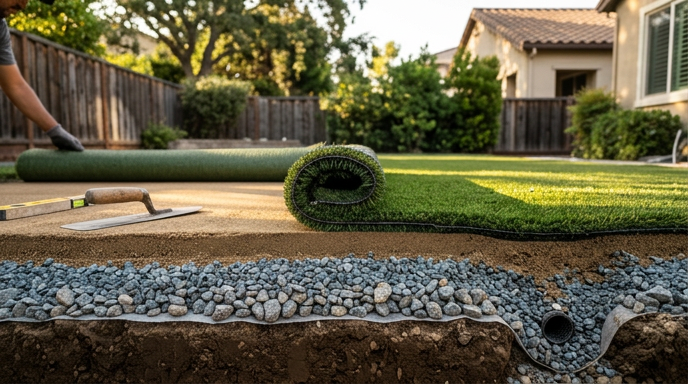
Permeable pavers allow rainwater to soak into the ground, rather than running off into storm drains. This reduces flooding, filters pollutants, and recharges groundwater supplies. These pavers are ideal for driveways and patios in areas with heavy rainfall or strict drainage requirements.
At Canepa Landscaping, we design custom drainage-friendly installations that keep landscapes functional and sustainable year-round.
Recycled and Low-Carbon Materials
The carbon footprint of construction materials is under more scrutiny. In response, many products now include recycled content or reduce the use of cement—a major source of carbon emissions. Reclaimed brick and stone provide a weathered, natural look and save materials from going to landfills.
We often work with suppliers offering concrete mixes with fly ash or other recycled additives, delivering strength and sustainability in one.
Biophilic Design in Hardscaping
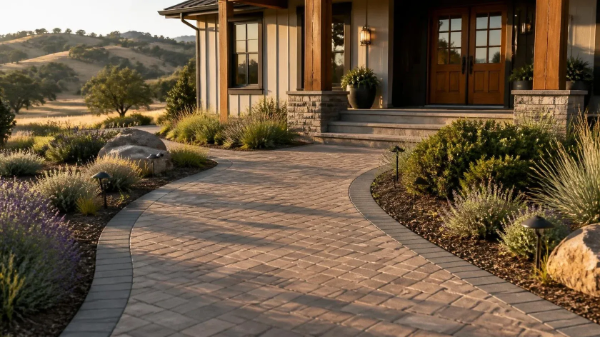
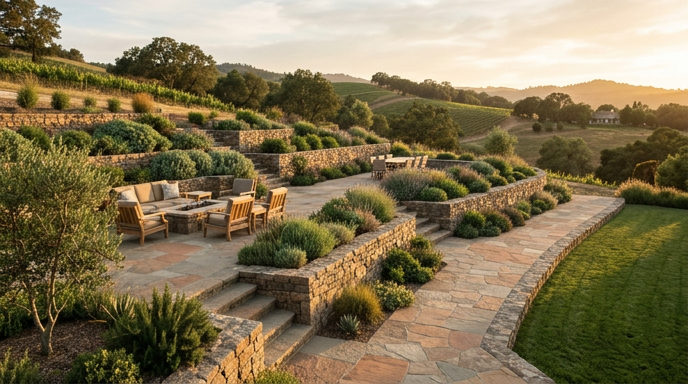
Biophilic design emphasizes a natural connection between people and their environment. In hardscaping, this means using curved paths, natural textures, and plant integration. These layouts mimic organic forms found in nature, helping outdoor spaces feel more calming and cohesive.
Pairing pavers with native plant beds, natural stone, and earthy tones gives your yard a timeless look that also supports local biodiversity.
Blending Soft and Solid Materials
Combining grass, gravel, and pavers isn’t just a visual trend—it’s a performance upgrade. Mixed materials break up solid surfaces, improve drainage, and reduce heat buildup. For example, stone paths with turf inlays or gravel patios with planting pockets create dynamic, environmentally friendly spaces.
This design style balances hard edges with softness, bringing more texture and functionality to small and large yards alike.
Sustainable Hardscape Materials That Last
Long-lasting materials are essential to sustainability. Durable products reduce the need for repairs or replacement, cutting down on future waste and emissions.
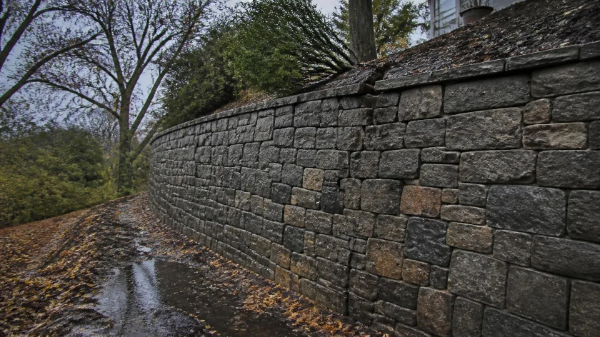
Natural stone is a favorite for its longevity and local availability. Porous pavers offer drainage benefits while maintaining strength. Even newer concrete options use carbon-reduction technologies that perform well without sacrificing design flexibility.
Canepa Landscaping prioritizes materials that support longevity, function, and environmental responsibility in every project.
Customization Without Compromise
Sustainable hardscapes can still be highly personalized. Modular pavers help reduce waste, and larger slabs create sleek, open spaces with fewer joints. Earth-toned palettes and nature-inspired textures are popular in 2025, offering both visual warmth and design flexibility.
Layout patterns like basket weave, herringbone, or grid lines can be used to personalize patios or walkways without adding material waste. Creative edge detailing with reclaimed stone or gravel bands adds character without compromise.
How Canepa Landscaping Can Help
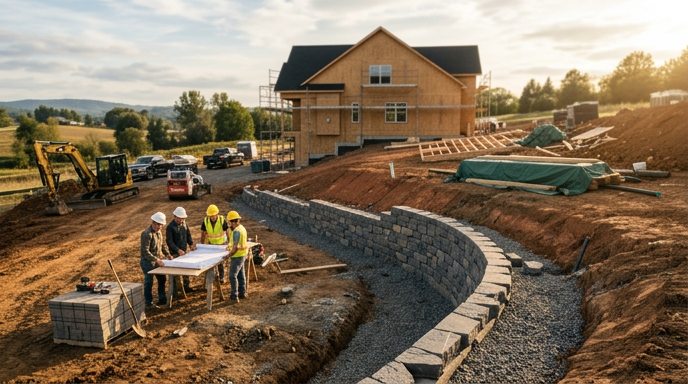
Designing an eco-friendly hardscape involves more than selecting materials. It requires planning for water flow, plant health, and long-term performance.
Our team works closely with clients to identify sustainable goals and match them with practical solutions. Whether you're managing stormwater or selecting the right finish, we offer the expertise and craftsmanship to make it work seamlessly.
We use our experience to balance beauty with efficiency—so your outdoor space supports your values as well as your lifestyle.
Build Amazing Sustainable Hardscapes with Canepa
Creating a beautiful, functional outdoor space doesn’t have to come at the environment’s expense. With smart planning and sustainable hardscape materials, you can build a landscape that adds comfort and value for years to come.
If you're ready to refresh your outdoor space with an eco-conscious design, Canepa Landscaping is here to help. Contact us to learn how we can bring sustainable, stylish outdoor living to your home.
Share on Social
Other Posts You Might Enjoy