A Guide To Landscape Construction Planning for Large Landscape Renovations
Landscape Construction Guide for Big Backyard Projects
When you plan a large landscape renovation, understanding site conditions and construction timing helps you make informed decisions while avoiding unexpected delays or added costs.
Key Takeaways
- Most large landscape projects follow a clear path, starting with site review and moving into construction over time.
- The schedule of any outdoor construction project can change based on materials or weather, so it helps to create a flexible timeline.
- Detailed landscape construction planning makes the process easier and ensures that your finished outdoor space is built to last.
Planning a major outdoor upgrade is exciting, but large projects also take real preparation and can disrupt your routine. Before any equipment arrives, it helps to understand how landscape construction works from start to finish. Knowing what to expect makes it easier to manage your budget, plan ahead, and avoid unnecessary delays.
Understanding the Landscape Construction Lifecycle
A large landscape renovation happens in stages, and each one builds on the last. Every step affects your budget, your timeline, and how well the finished space holds up over time. When early stages are skipped or rushed, problems often show up later.
Most projects follow a structured sequence that begins well before any digging starts. When you understand this lifecycle, planning a backyard renovation feels far more manageable and far less overwhelming.
Site Evaluation Sets the Direction of Your Landscaping Project
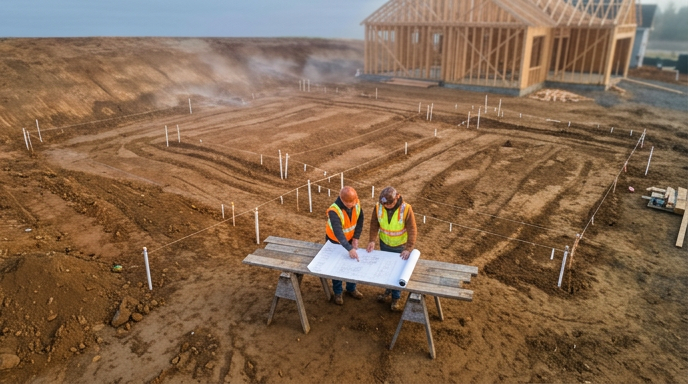
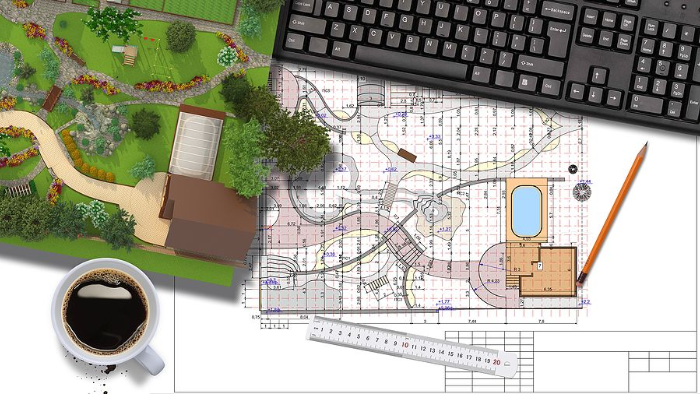
Every successful project starts with a careful site evaluation. During this step, you look at things like slope and soil conditions, along with drainage and existing features. What you learn here guides both the landscape design and the way the project is built.
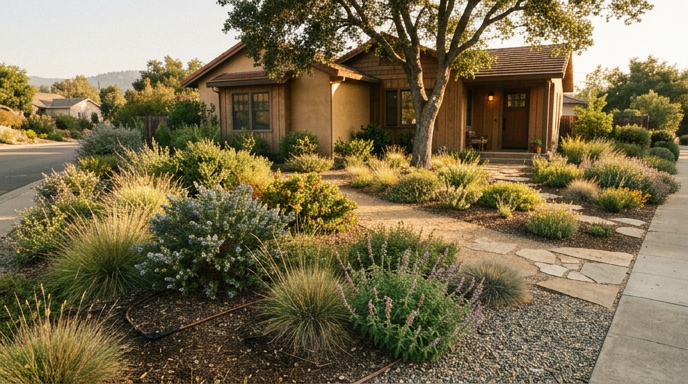
In Sonoma County, terrain and soil conditions can vary widely from one property to the next. Sloped lots, clay-heavy soils, and seasonal rainfall all influence how water moves across your landscape.
Grading and Drainage Planning Come Before Outdoor Construction
Grading and drainage are essential to long-term durability. Water movement affects everything from plant health to structural stability.
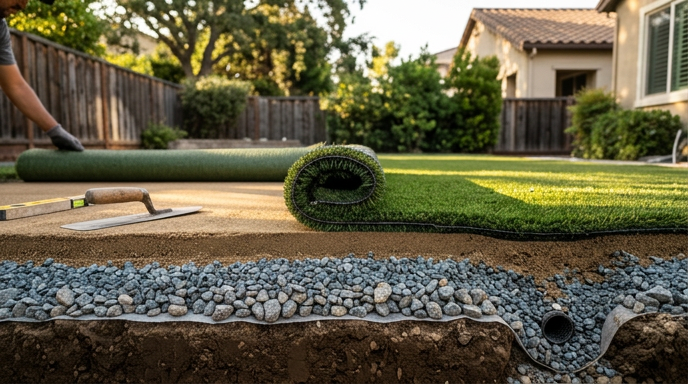
Poor drainage can cause shifting, cracking, and erosion. Proper grading directs runoff away from foundations and hardscape features, while drainage systems manage excess water before it becomes a problem.
Permits and Inspections Shape the Landscaping Timeline
Large landscape projects often need permits for things like grading, retaining walls, or drainage work. Getting these approvals can take time and may affect your overall schedule more than you expect.
Inspections typically occur at specific milestones. Work may pause while waiting for approval to move forward. Understanding this process helps you set realistic expectations and avoid frustration when progress slows temporarily.
Typical Backyard Renovation Project Timelines
A landscape project timeline includes far more than installation dates. It accounts for:
- Planning
- Approvals
- Material availability
- Weather
- Crew scheduling
In places like Sonoma County, seasonal rain often affects when construction can move forward. Wet soil can delay grading or excavation, especially on sloped properties where erosion control matters.
That’s why project timelines usually include extra time for weather delays. Building in these buffers helps keep the work steady instead of rushed and makes sure each phase is done the right way.
Hardscape Installation Comes Before Softscape
The order of construction is important because it protects your materials and prevents rework. Hardscape work always comes first so that finished surfaces and plants don’t get damaged later.
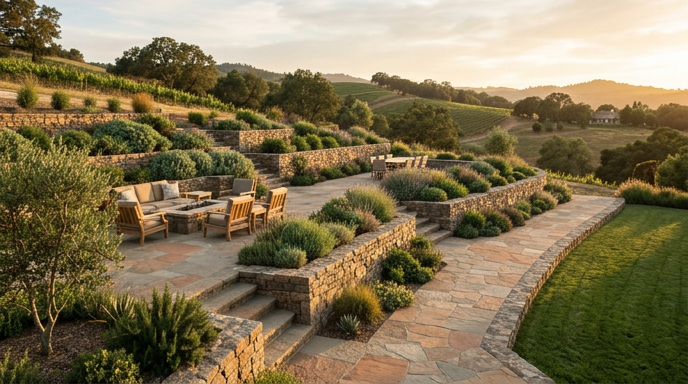
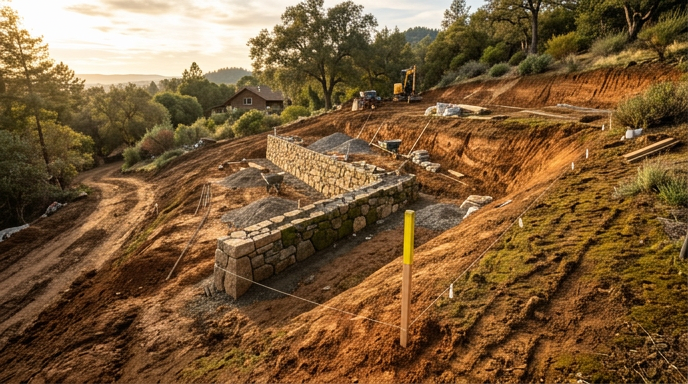
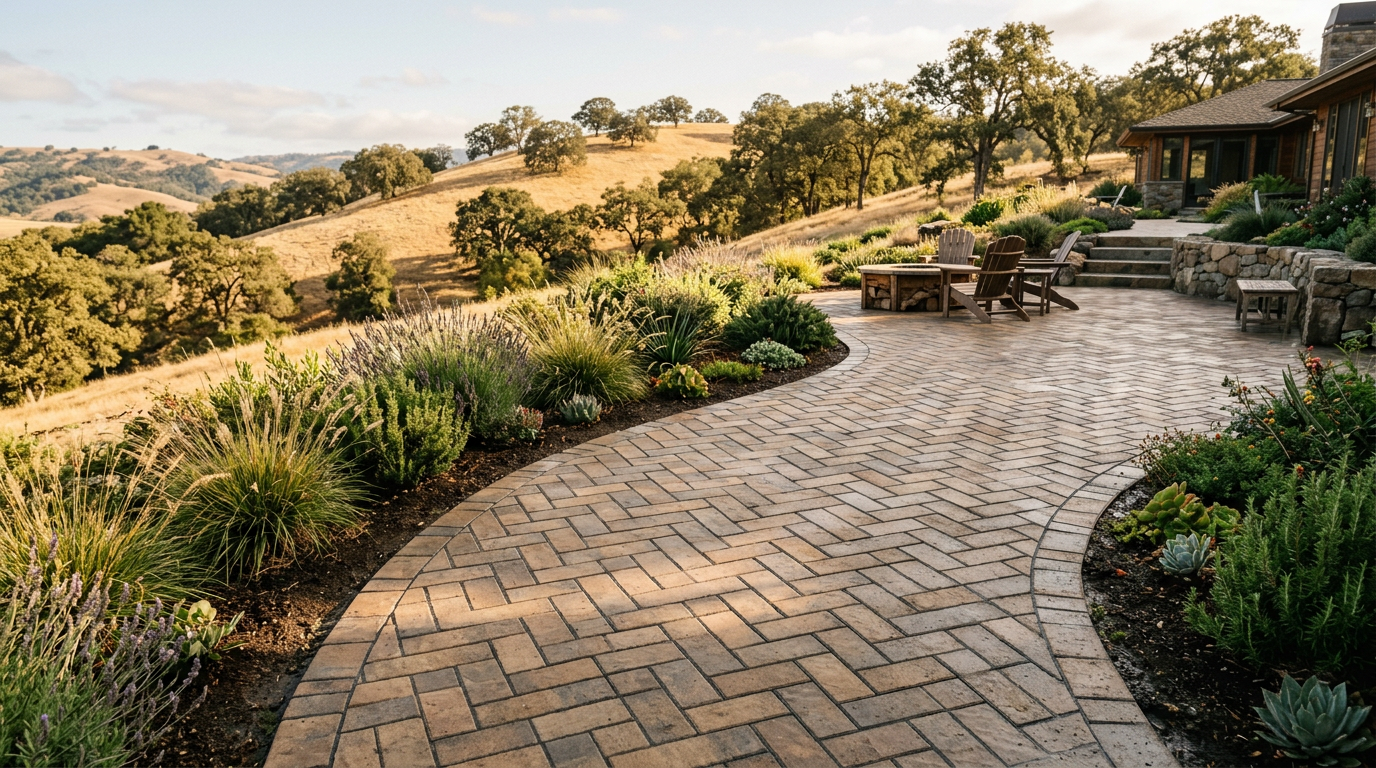
Hardscape includes things like patios, walkways, retaining walls, steps, and other built features. This phase involves excavation, heavy equipment, and careful base preparation, which can damage completed areas if done out of order.
Once the hardscape is finished, softscape work can begin. Softscape typically includes:
- Trees and shrubs
- Lawn or sod installation
- Planting beds and groundcover
Following this order protects your landscape design and prevents unnecessary damage.
Access and Staging Affect Daily Life
Large landscape construction projects need space for equipment, materials, and debris. Even when access routes and staging areas are planned early, the work can still affect your daily routine.
You may temporarily lose access to parts of your driveway, yard, or walkways. Noise, dust, and equipment traffic are a normal part of the process. Knowing this ahead of time helps you prepare and makes the project easier to manage.
Landscaping Material Lead Times Can Influence Scheduling
Landscaping material lead times can affect your schedule more than you expect. Many materials aren’t available right away, so items like stone, pavers, or specialty plants often need to be ordered in advance.
If materials arrive late, your project can slow down or stretch longer than planned. Choosing materials early gives your contractor time to schedule deliveries with each phase of work and helps avoid rushed substitutions that can lower quality.
Early Decisions Shape the Cost and Lifespan of Your Outdoor Spaces
The choices you make early on affect how your outdoor space holds up over time. Cutting corners may save money at first, but it can lead to problems like sinking surfaces, poor drainage, or materials wearing out too soon.
Good landscape construction planning includes preparing a strong base, choosing materials that fit your climate, and understanding proper drainage. This approach helps you balance your budget with long-term performance, especially in areas with heavy rain or big temperature changes.
Homeowners Should Prepare Before Landscape Construction Begins
When you plan an outdoor transformation, how you prepare goes beyond choosing materials or approving designs. Before construction even begins, it’s important to think about how the work will affect your daily life and your property.
During the project, the construction crew may block off parts of your yard or change where you can park. You’ll hear noise and see equipment moving through the space, which is a normal part of the process. To keep things safe, you may need to keep pets indoors, and your contractor may temporarily turn off systems like irrigation or outdoor lighting while work is underway.
It’s also important to stay in touch as the project moves forward. Your contractor may have questions or need quick decisions, especially if weather or site conditions require changes. Staying involved helps prevent delays and keeps the project moving.
Prepare To Transform Your Outdoor Space
A large landscape renovation goes more smoothly when you work with a team that provides experienced construction services from start to finish. From site evaluation and permitting to building hardscape before planting, the right team helps prevent delays and unnecessary damage to your property.
Canepa Landscaping builds outdoor spaces to handle local terrain and weather. We guide you through every phase of landscape construction and believe strong planning leads to long-lasting results you can enjoy for years. Contact us today to get started.
Share on Social
Other Posts You Might Enjoy