How Proper Drainage Protects Your Landscape and Property
Protect Your Yard With Smart Drainage Design
A well-designed landscape not only looks beautiful but also manages water effectively. In Sonoma County, where heavy winter rains can quickly turn yards into soggy messes, proper drainage plays a vital role in keeping your outdoor space healthy and your home protected.
Why Drainage Is Essential for Plant and Property Health
When water collects in the wrong places, it harms more than your lawn’s appearance. Poor drainage can suffocate plant roots, encourage fungal diseases, and attract mosquitoes. Standing water may also cause soil erosion, damage retaining walls, or seep toward a home’s foundation—problems that are expensive to repair.
A landscape design with proper grading and an effective drainage plan allows water to flow naturally away from plants, patios, and structures.
Common Signs of Poor Drainage
Spotting early signs of drainage issues can prevent costly damage later. Look for:
- Persistent puddles or soft spots after rain
- Moss or mildew growth on hardscapes or siding
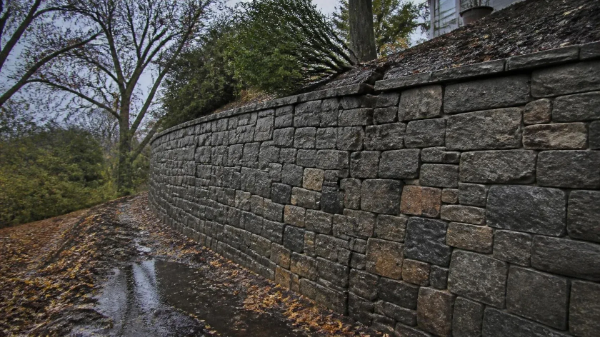
- Soil erosion near slopes, driveways, or retaining walls
- Dying plants or yellowing grass due to waterlogged soil
- Foundation cracks or damp basements that indicate runoff isn’t moving away properly
If you notice these symptoms, it’s worth scheduling a site assessment.
Planning Drainage With Grading and Slopes
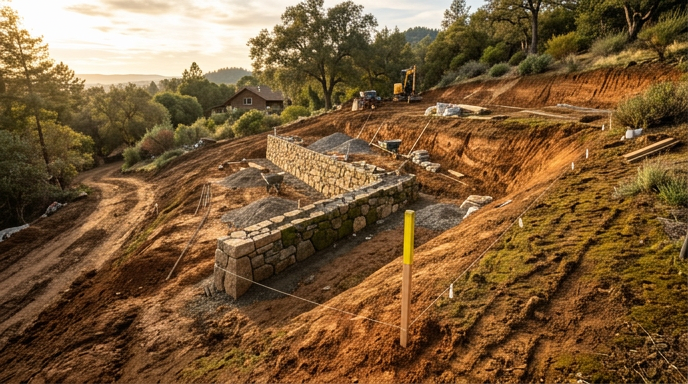
Proper grading forms the backbone of a functional landscape drainage system. Ideally, the soil around your home should slope away at a minimum of one inch per foot for several feet. This gradual slope helps guide water toward designated drainage zones instead of pooling around structures or low-lying areas.
In Sonoma County, natural hillsides and clay-heavy soils can make grading more complex. Experienced landscape designers offer services that consider both the slope and soil composition to create a plan that fits your property’s unique conditions.
The Role of French Drains and Catch Basins
When surface grading isn’t enough, adding underground drainage solutions can help redirect excess water efficiently.
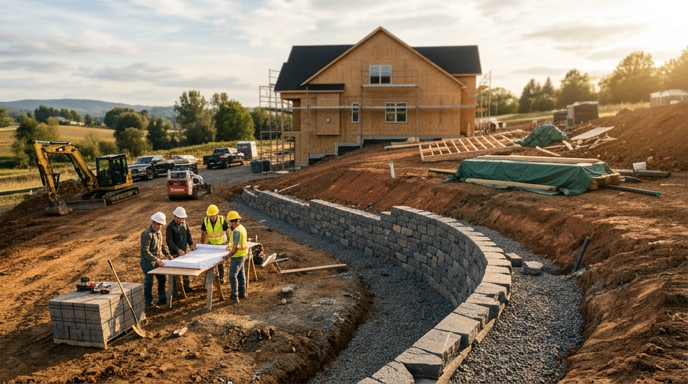
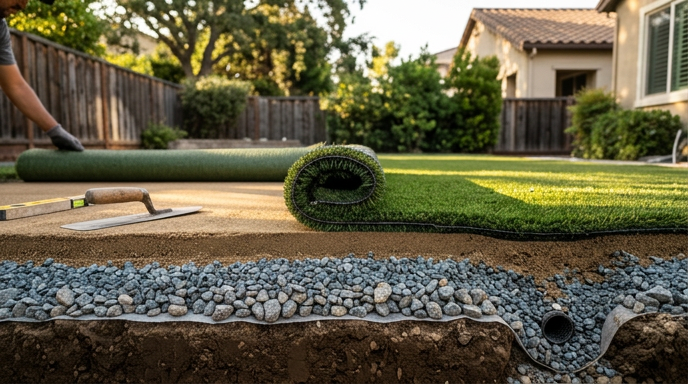
French drains are one of the most effective options for Sonoma County yards. These systems use a perforated pipe surrounded by gravel to collect and move water away from saturated areas. They work particularly well along foundations, driveways, or garden beds that tend to stay wet.
Catch basins, on the other hand, collect surface water before it becomes a problem. Installed beneath downspouts or in low areas, they pull in runoff and direct it through buried pipes to safer drainage zones. Together, French drains and catch basins form a complete system that protects both softscapes and hardscapes from water damage.
How To Spot-Check Your Property for Drainage Problems
A few quick checks can reveal whether your yard needs better drainage:
- Walk your property after a storm. Look for pooling water that lingers for more than a few hours.
- Inspect slopes and retaining walls. Erosion or washed-out mulch indicates runoff problems.
- Check gutters and downspouts. Water should flow freely and extend several feet from the foundation.
- Observe plant health. Wilting or yellowing after rain often points to poor soil drainage.
- Watch for pests. Mosquitoes and gnats thrive where water collects.
Spotting issues early gives you time to address them before they cause lasting damage.
Coordinating Drainage With a Full Landscape Plan
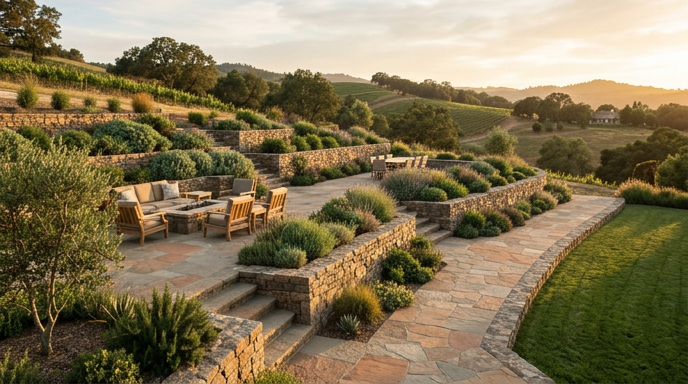
Adding drainage to your landscape design doesn’t just prevent problems; it can enhance the overall beauty and function of your outdoor space. When you include drainage in a backyard renovation plan, your designer can integrate solutions seamlessly into the layout. For example:
- Grading can be shaped to blend naturally with lawn and garden contours.
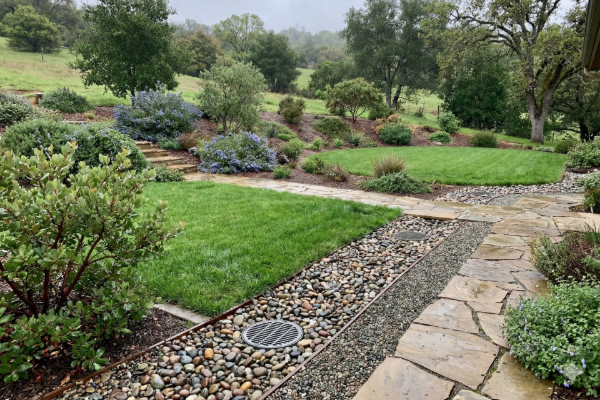
- French drains can sit beneath gravel walkways or planter borders.
- Catch basins can be hidden under decorative grates that match the hardscape.
By designing with drainage from the start, you prevent future disruptions and avoid having to dig up finished areas later.
Working With Sonoma County’s Climate and Soil
Sonoma County’s mix of coastal moisture, clay soils, and rolling terrain makes local expertise essential. Many modern designs and local hardscape trends emphasize eco-friendly drainage systems that conserve water while protecting property. Using permeable hardscapes, native plants, and rain gardens can help filter runoff naturally.
What To Expect During a Drainage Project
If you decide to include drainage improvements in your landscape project, here’s a general idea of what to expect:
- Site Evaluation:
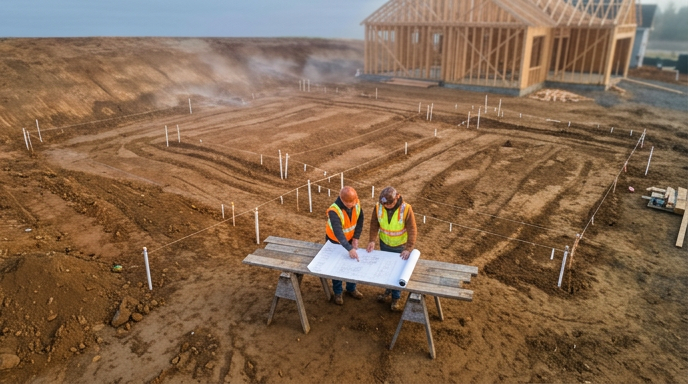
A professional assesses soil type, slope, and problem areas to understand how water moves through your property.
- Design and Planning:
The team creates a layout tailored to your landscape and aesthetic goals, selecting solutions such as grading adjustments, French drains, or catch basins.
- Installation:
Depending on project size, installation may take a few days to a week and can include trenching, pipe installation, and re-grading areas of your yard.
After installation, the surface is restored with new sod, mulch, or stone, leaving the drainage system virtually invisible.
Protecting Your Investment Year-Round
Effective drainage keeps your landscape healthy, your soil stable, and your home protected, especially with Sonoma County’s heavy seasonal rains. Whether you’re updating an existing yard or planning a full outdoor renovation, integrating proper drainage into your landscape design is one of the smartest long-term investments you can make.
If you want expert guidance from a local team that understands the region’s unique soils and terrain, Canepa Landscaping can help design and install solutions that keep your property beautiful and protected year-round. To get started, request a quote and see how our team can support your project.
Share on Social
Other Posts You Might Enjoy