Pavers vs. Concrete: Best Patio for Sonoma County
Pavers vs. Concrete: Best Patio for Sonoma County
For Sonoma County homeowners comparing patio materials, the decision between pavers and poured concrete comes down to more than upfront cost. Concrete is typically cheaper to install, but pavers offer structural advantages — better drainage performance, individual repairability, and design flexibility — that make them the stronger long-term investment on Northern California properties where wet winters and shifting soils put real stress on outdoor surfaces.
Key Takeaways
- Concrete costs less upfront, but paver patios cost less to maintain over time — damaged sections can be replaced individually without disturbing the rest of the surface.
- Sonoma County's wet winters, clay-heavy soils, and sloped lots create conditions that cause concrete to crack and shift; pavers are designed to flex with ground movement.
- Permeable paver systems allow rainwater to move through the joints and into a gravel base below, helping manage runoff in ways poured concrete simply cannot.
- Stamped concrete can mimic the look of pavers at lower cost, but the pattern is permanent — pavers offer ongoing design flexibility that concrete doesn't.
- The right material depends on your yard's specific slope, drainage, and soil conditions — a design-build contractor should assess all of those factors before any installation begins.
Concrete is almost always cheaper to install than pavers. But when a slab cracks, shifts, or sends water toward your foundation, those upfront savings may not be worth it.
If you're planning a new patio, you may be trying to choose between pavers and poured concrete. Concrete is often the first option homeowners consider because the upfront price is usually lower. But the cheapest material on installation day isn't always the best fit once you factor in how the patio will age.
That's especially true in Sonoma County, where rainy winters, sloped lots, and shifting soils can put pressure on outdoor surfaces. And if you're planning a deck and patio combo, the patio material needs to work with the full layout, grade, and drainage of your yard. Before you choose a material, it's worth understanding how pavers and concrete compare so you can make a decision you'll still feel good about in 10 years.
How Much Do Paver and Concrete Patios Cost?
A basic concrete patio in Sonoma County typically costs $8 to $12 per square foot installed, while patio pavers usually cost $15 to $25 per square foot or more, depending on the material. On a 400-square-foot patio, that difference can add up to several thousand dollars. That lower upfront price is why many budget-conscious homeowners consider concrete first.
How Do Pavers and Concrete Hold Up in Sonoma County's Climate?
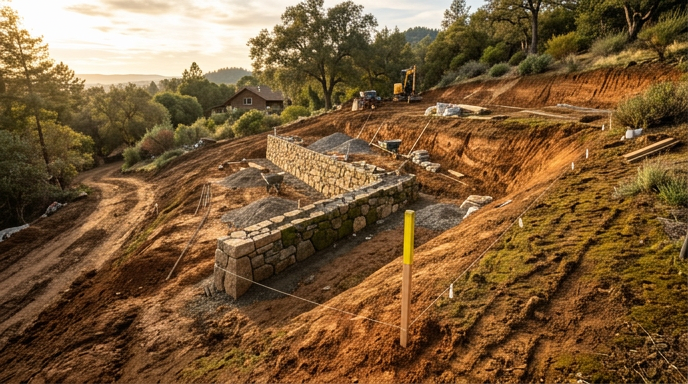
Sonoma County's rainy season puts consistent stress on outdoor hardscape. The region averages 25 to 35 inches of rain per year, most of it falling between November and March. That wet-dry cycle, combined with temperature swings, causes poured concrete to expand and contract. Over time, that movement leads to cracking, especially on properties with clay-heavy soils that shift as they absorb and release moisture.
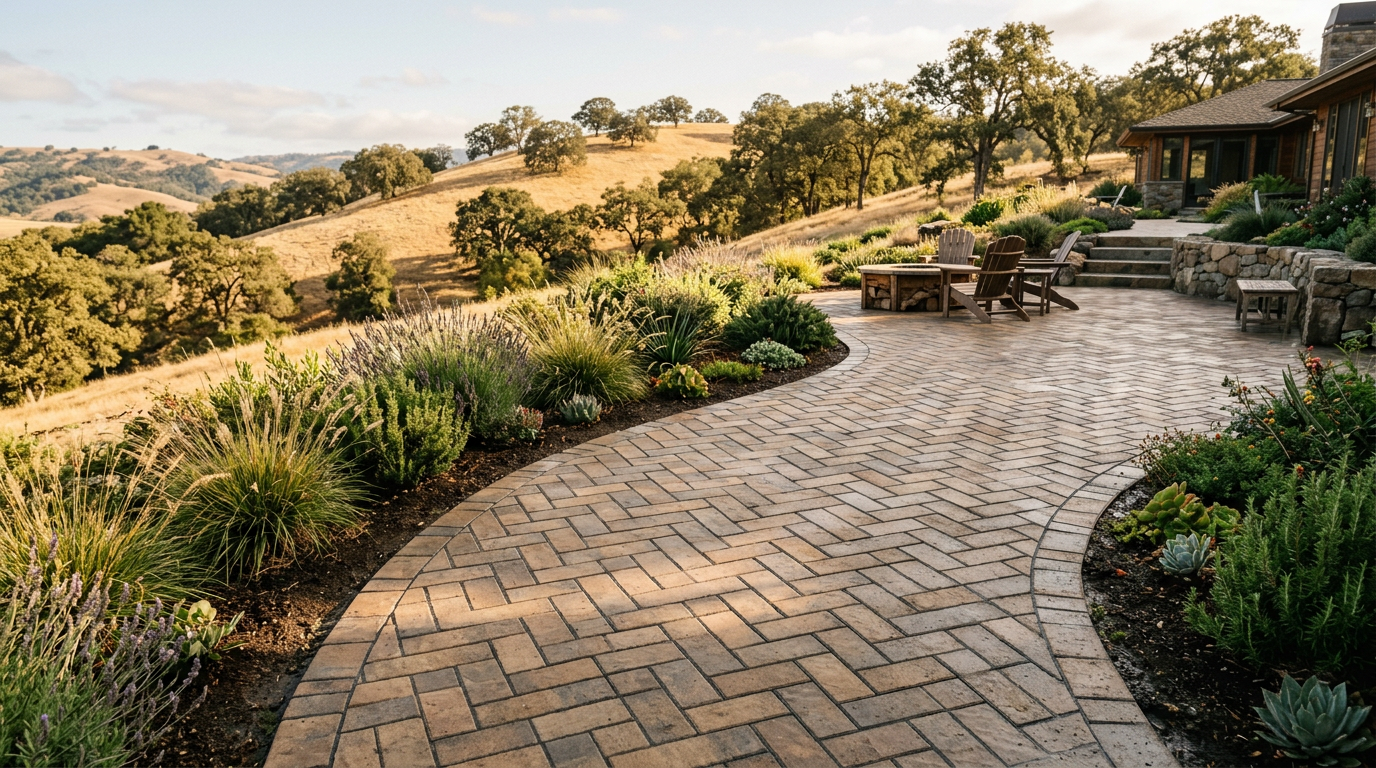
Pavers are designed with that kind of movement in mind. Because each unit is set separately with sand-filled joints between them, the surface has the ability to flex slightly as the ground shifts beneath it. That flexibility is one of the primary reasons pavers tend to hold up better on Northern California properties, particularly on lots with slopes or expansive soils.
Plus, patio pavers are easier to repair because you can replace one damaged piece at a time. If part of the patio settles or one paver cracks, you only need to fix that area, often without leaving an obvious patch.
Which Patio Material Handles Drainage and Soil Movement Better?
Drainage is one of the biggest differences between a concrete patio and a paver patio. A standard concrete slab doesn't let water pass through it, so rain has to run across the surface. If the patio isn't sloped correctly, that water can collect in low spots or move toward your home's foundation, landscaping, or a neighboring property.
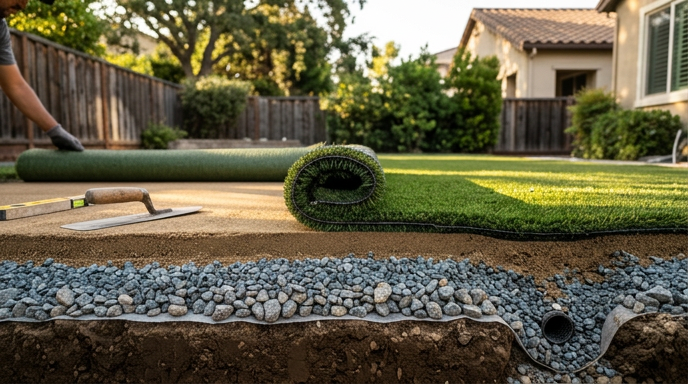
Pavers give you more drainage options. With a properly built permeable paver system, rainwater can move through the joints between the pavers and into a gravel base below. That helps reduce puddling and runoff, which can be especially helpful on Sonoma County properties with slopes, tight yards, or drainage concerns.
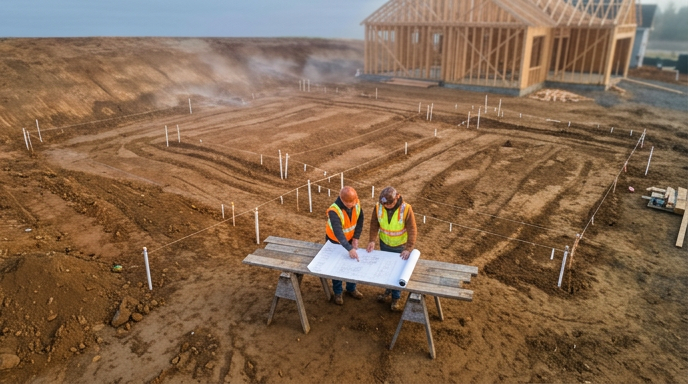
Good landscape construction starts with understanding how water already moves through your yard. Before installing either material, your contractor should look at the patio's grade, nearby structures, and where runoff will go during heavy rain.
Which Patio Material Is the Better Long-Term Investment for Your Home?
Poured concrete offers a clean, uniform look and a few finish options, such as exposed aggregate or stamped patterns. Stamped concrete can look similar to pavers at a lower cost, but the pattern and layout are permanent once the concrete cures. If your preferences change or the finish wears unevenly, your options are limited.
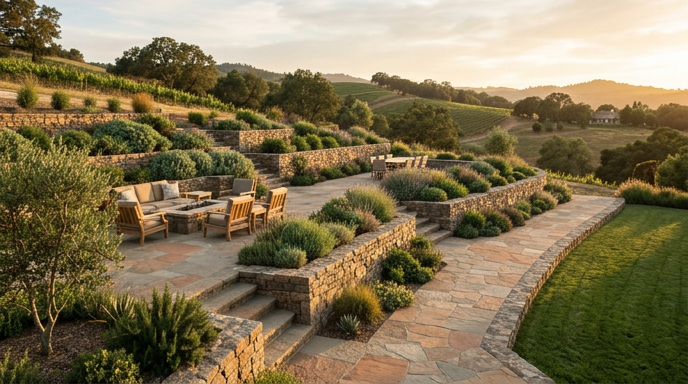
Pavers give you more room to customize the patio's appearance. You can choose from different shapes, colors, textures, and patterns to create a look that fits your home. Some paver patterns also hold up better under regular use because they spread weight across the surface more evenly. That mix of design choice and easier repairs is one reason pavers often hold their value better than poured concrete when it's time to sell.
Canepa Landscaping Builds Durable Patios Throughout Sonoma County
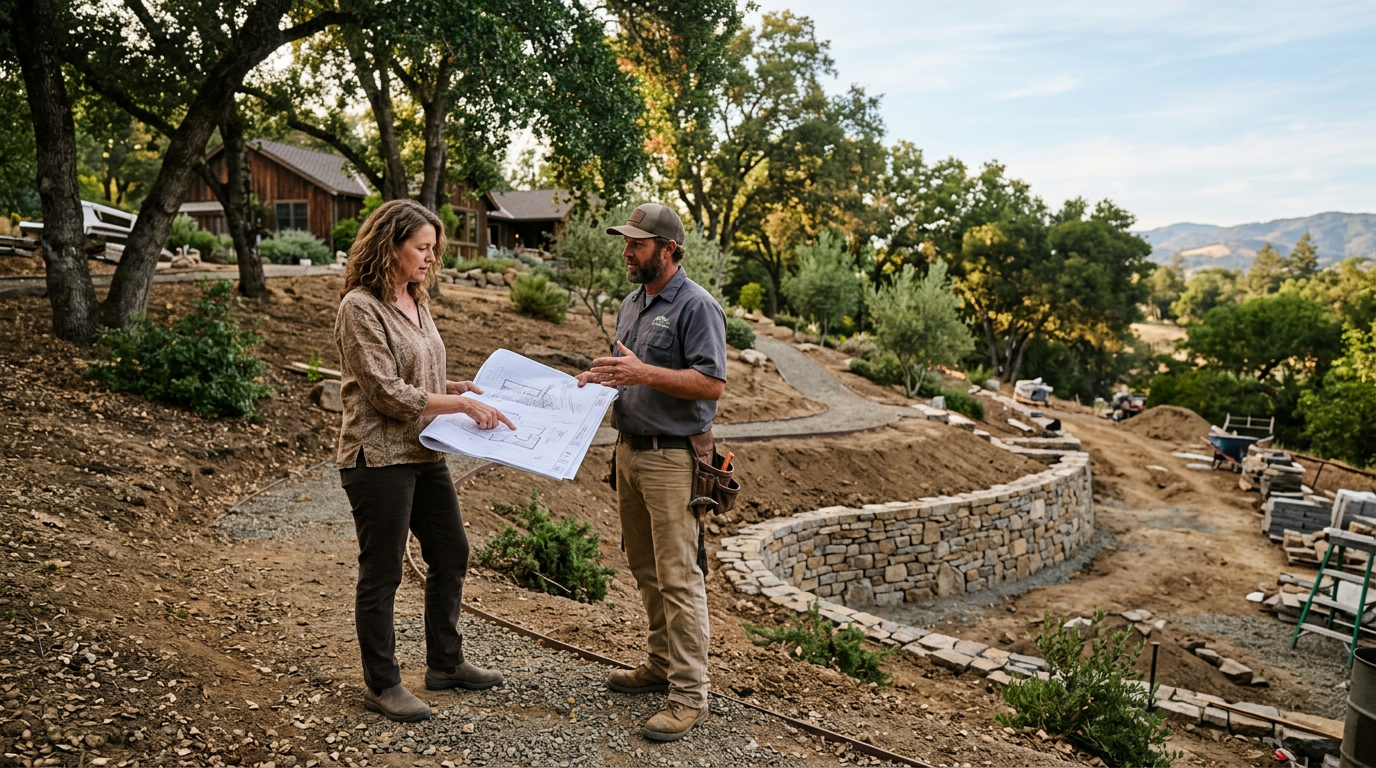
Canepa Landscaping is a licensed landscape design-build contractor serving homeowners across Sonoma County. As you compare pavers and concrete, the right choice depends on more than material cost. Your yard's slope, drainage, soil conditions, design goals, and long-term plans all shape which patio will hold up best.
Our team helps homeowners look at the full project before construction begins, from site assessment and material selection through permitting and installation. If you are planning a patio and want a clearer sense of what will work best for your home, explore our landscaping design and construction services in Sonoma County or reach out today to schedule a consultation.
Share on Social
Other Posts You Might Enjoy