Sonoma County Landscape Permits: What Actually Requires One
Sonoma County Landscape Permits: What Actually Requires One
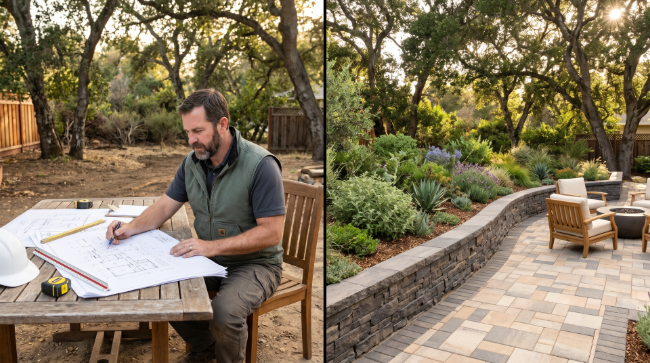
Many backyard projects, retaining walls, grading, drainage work, cross into permit territory before homeowners realize it. This article breaks down Sonoma County's actual thresholds for grading and structural landscape work, explains why skipping permits creates resale and liability risk, and shows why a licensed design-build contractor builds permit coordination into the project instead of treating it as an afterthought.
Key Takeaways
- Grading permits are triggered by cut or fill over 50 cubic yards, depth over 3 feet, or cut slopes over 5 feet.
- Retaining wall permit requirements depend on height, surcharge loads, soil conditions, and drainage design, not just wall height alone.
- Unpermitted work can surface during home sale disclosures and inspections, creating costly problems later.
- A permit-ready plan includes site measurements, drainage details, and clear responsibility for inspections and engineering.
- California requires a CSLB license for any project over $500 in labor and materials, a baseline every homeowner should verify.
What Landscape Projects Actually Require a Permit in Sonoma County?
Landscape permits can feel confusing, especially when a project includes grading, drainage, retaining walls, or structural hardscape.
A backyard project can seem simple at first. You may want to add a wall, level a slope, build a patio, or redirect water away from the house. But once the work affects grading, drainage, or a structure that holds soil back, Sonoma County permit rules may apply. Understanding those rules early can help you avoid failed inspections, unsafe work, and expensive fixes later.
Why Do Landscape Permits Matter for Sonoma County Projects?
Permits create a record that the project was reviewed for safety, drainage, structural stability, and local requirements. This is especially important when the work changes how water moves through your yard or how soil is supported.
Skipping permits can create problems later, especially when you sell your home. Unpermitted retaining walls, major grading, or drainage work may come up during inspections or disclosures. If the work wasn't done correctly, a buyer may ask for repairs, documentation, or a price adjustment.
Permits can also help make sure the project is planned correctly from the start. When your contractor understands landscape construction and local permitting requirements, those details can be built into the design before work begins.
When Does Grading Work Require a Permit?
Grading means cutting, filling, moving, or reshaping soil. In Sonoma County, you may need a grading permit if the project includes:
- More than 50 cubic yards of cut or fill
- Excavation or fill more than 3 feet deep
- A cut slope more than 5 feet high
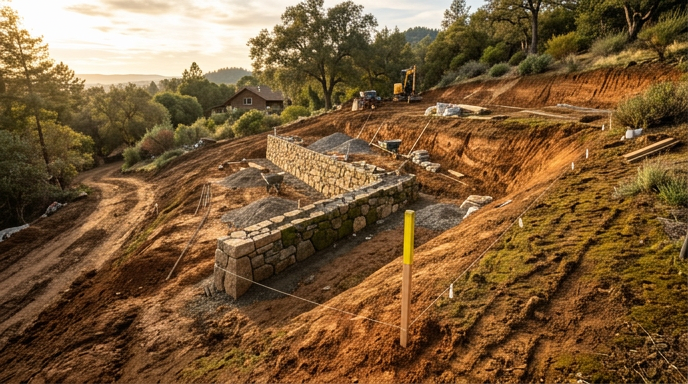
That means some yard projects are more involved than they look. Leveling a sloped area for a patio, creating a pad for outdoor living space, or changing drainage paths can all cross into permit territory if enough soil is moved.
Grading also affects water. Poor grading can send runoff toward your home, your neighbor's property, or a slope that wasn't built to handle it. That's why retaining walls and grading should be planned together on properties with elevation changes.
Do Retaining Walls Need Permits in Sonoma County?
Retaining walls are one of the most common landscape features that raise permit questions. A small decorative wall may not need the same review as a taller wall holding back a slope, but height isn't the only factor you should consider. Permit needs can depend on:
- Wall height
- Surcharge loads, such as weight from a driveway, patio, fence, or structure above the wall
- Soil conditions
- Slope
- Drainage
- Whether the wall is structural or decorative
Before you build a retaining wall, confirm whether the project needs a permit or engineering review. The design should address footing, drainage behind the wall, soil pressure, and where water will go during storms. Retaining walls may look simple when they're finished, but they require careful planning to build safely.
Which Drainage and Hardscape Projects Can Trigger Permits?
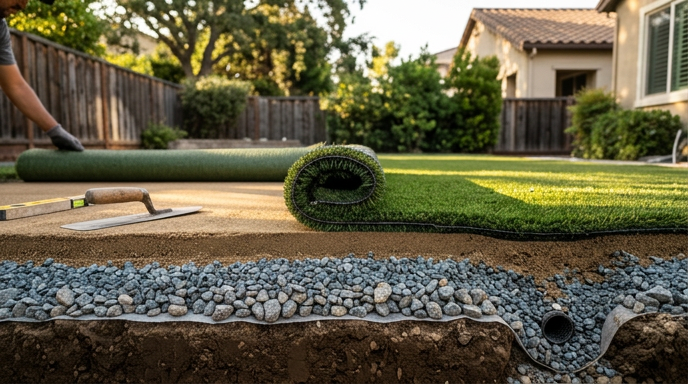
Drainage work can require review when it changes the way stormwater leaves your property. French drains, swales, catch basins, downspout routing, and permeable hardscape all need to be planned so water doesn't create problems somewhere else.
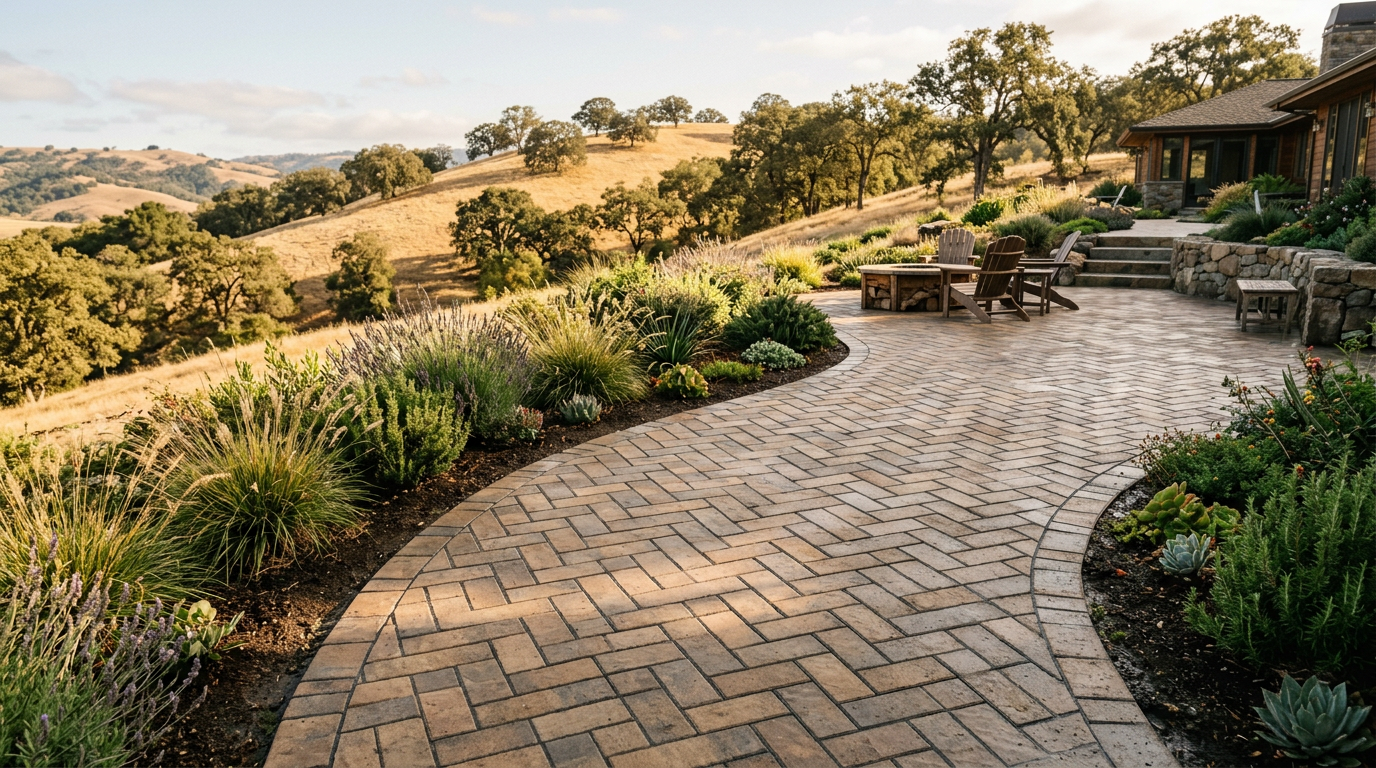
A simple patio or walkway may not always need the same level of review, but hardscape projects can become more complicated when they affect the site around them. Permit review may be needed when the project includes:
- Grading or soil movement
- Retaining walls
- Electrical work, such as lighting or outlets
- Outdoor structures
- Major drainage changes
- Work near a slope, foundation, or other structural area
Proper drainage protects your landscape and your home. If water is already pooling, eroding soil, or moving toward the foundation, the solution should be designed before you begin construction.
What Should a Permit-Ready Landscape Plan Include?
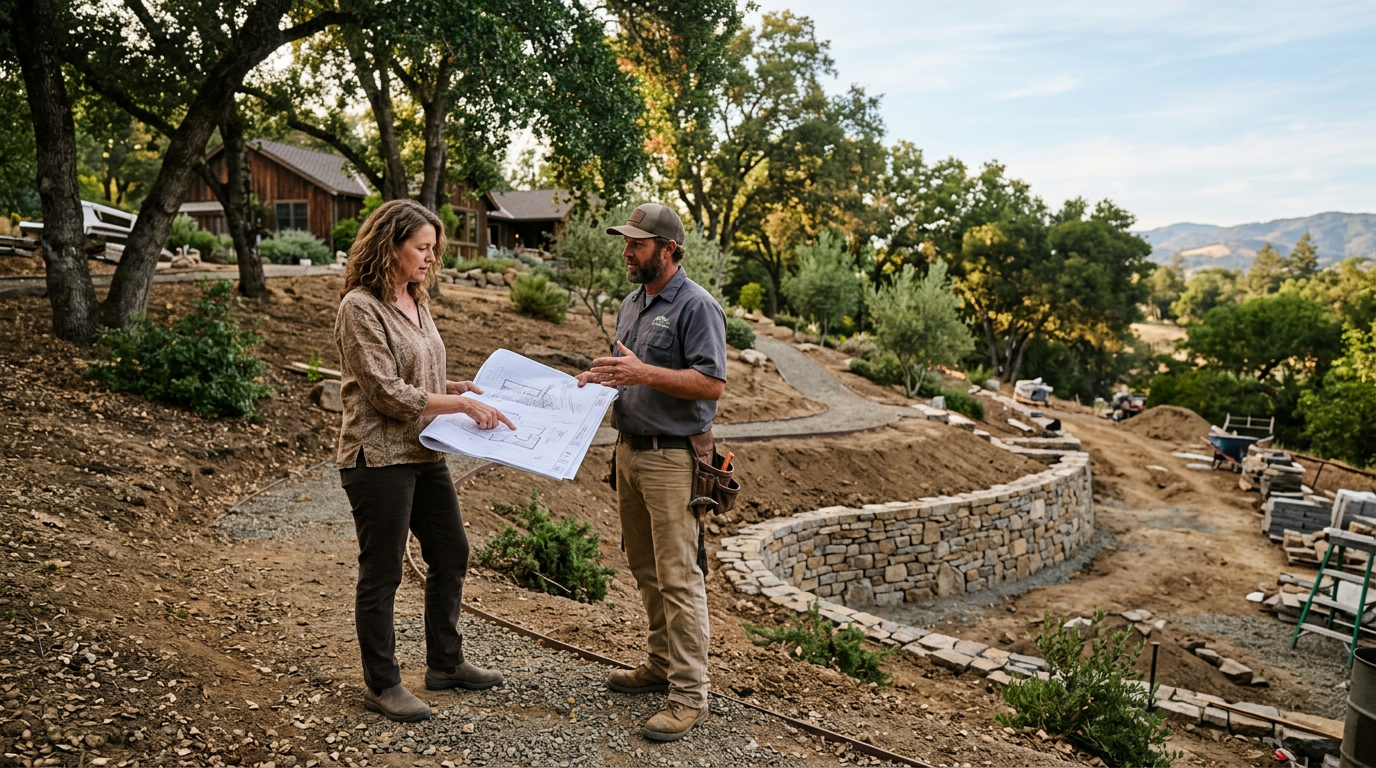
A permit-ready landscape plan explains what is being built, where it will go, how the site will be prepared, and how water and soil will be managed. A stronger plan usually includes:
- A clear scope of work
- Site measurements and existing grades
- Drainage details and runoff direction
- Retaining wall height, materials, and structural details
- Permit, inspection, and engineering responsibilities
This is also why you should choose a landscape contractor carefully. A contractor should be willing to explain which permits may be needed and who's responsible for submitting plans, coordinating inspections, and keeping records.
Why Is a Licensed Contractor Important for Permitted Landscape Work?
In California, if your landscape project is more than $500 in labor and materials, your contractor generally needs the proper license. For landscape construction, you should look for a CSLB license that fits the type of work being done.
A proper license helps show that your contractor understands more than installation. Your project may involve site prep, drainage, grading, structural details, inspections, and documentation. An unlicensed operator may offer you a lower price, but that can leave you with bigger problems if the work fails or doesn't meet local requirements.
A licensed design-build contractor gives you a clearer chain of accountability. The same team can review your design, permit needs, construction details, and long-term performance before anyone starts digging.
Get Help Planning a Permit-Ready Landscape Project
Canepa Landscaping helps Sonoma County homeowners plan hardscape, drainage, grading, and structural landscape projects with permit needs in mind. Our team looks at the full site before construction begins so the design, drainage, and build process work together.
If you're planning a project that may involve permits, schedule a landscape construction consultation with Canepa Landscaping before work starts.
Share on Social
Other Posts You Might Enjoy