How to Tell if Your Retaining Wall Is Failing in Sonoma County
Retaining Wall Warning Signs to Check Before the Rainy Season
Most retaining wall failures start with water management, not the wall material. Hydrostatic pressure, poor drainage, and a weak base push a wall out of position long before it collapses. Learning to tell cosmetic aging from real structural movement helps Sonoma County homeowners decide whether to monitor a wall, schedule an inspection, or plan a full rebuild before the rainy season adds more load.
Key Takeaways
- A narrow crack that stays the same size is usually cosmetic. Horizontal cracks, stair-step cracks, and cracks that keep widening point to structural movement.
- Leaning or bulging means soil and water pressure are overpowering the wall, and patching the face won't fix what's happening behind it.
- Pooling water, blocked weep holes, sinking soil, and pavers settling nearby are often the first signs of drainage-driven failure.
- If movement affects much of the wall or the base has failed, replacement is usually the better call, and the rebuild has to correct the drainage and foundation problems that caused the failure.
A crack in a retaining wall may be cosmetic, but a wall that starts to lean or bulge can signal deeper movement. Water collecting nearby is another warning sign. Knowing what to watch for can help you decide whether to monitor the wall, schedule an inspection, or start planning a replacement.
Not every mark on a retaining wall means the structure is failing. Concrete and masonry can develop small surface cracks as they age, and minor staining may come from normal weather exposure. A widening crack, however, deserves more attention. The signs below can help you tell when a wall is worth watching and when it needs a professional inspection.
Retaining Wall Cracks That Need a Closer Look
A narrow surface crack that stays the same may be cosmetic, especially when the wall remains straight and the surrounding ground is stable. Take a clear photo with a ruler for scale and note the date. Checking the same spot after heavy rain can show whether the crack is changing.
Wider cracks deserve more attention, especially when they run horizontally or follow a stair-step pattern through masonry joints. Separation between wall sections can also show movement. In colder pockets, freeze-thaw cycles can make cracks worse when water enters an opening and freezes. In Sonoma County, though, drainage and soil pressure are usually the bigger concerns.
Don't fill a moving crack and assume the problem is solved. A surface patch may hide evidence while pressure continues behind the wall. Poor drainage or base movement can keep the problem active even after the crack is covered.
Why Leaning and Bulging Signal Structural Movement
A retaining wall is meant to resist the soil behind it. When the wall leans outward or develops a rounded bulge, that shape suggests the load is pushing it out of position. Excess water is one common cause. A weak base or too little internal support can also let the wall move, especially if it wasn't built to handle the weight behind or above it.
Stand where you can view the wall safely from one end. Document any visible curve or forward tilt, along with blocks that no longer line up. If the movement is severe, keep people away from the area. Use the same caution when the wall supports a driveway or another occupied space.
Understanding retaining wall design helps explain why no single factor works in isolation. A taller wall has to hold back more soil, and added weight above it can increase the pressure. Poor drainage can make that pressure worse. Repairing only the face won't correct a structural condition behind it.
How Drainage Causes Retaining Wall Failure
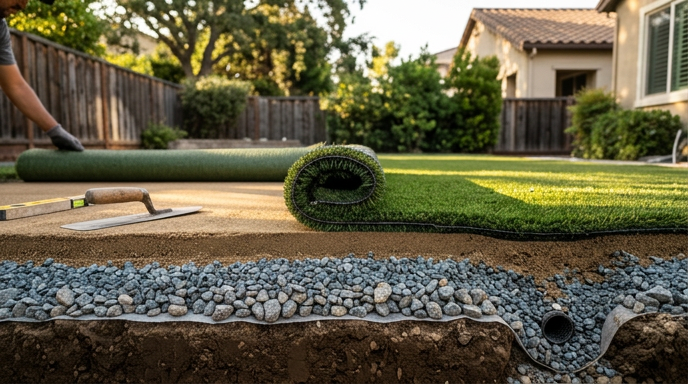
When water gets trapped behind a retaining wall, it adds weight and pressure to the soil. That buildup is called hydrostatic pressure. In many wall failures, managing the water matters more than the wall material itself. During Sonoma County's rainy season, that pressure can rise quickly, so good drainage needs to give water a clear path away from the wall.
Start by looking for water pooling above or below the wall. Soil that stays wet long after rain is another clue, especially when you also see stains from repeated seepage. Blocked weep holes deserve attention as well. Erosion at the ends or base can remove support even when the wall itself hasn't cracked.
Planning retaining walls and grading together gives water a complete route through the property. The wall should work with the finished slope and drainage system so runoff has somewhere to go instead of collecting behind the structure.
Signs of Movement in the Landscape
The surrounding landscape often shows movement before the damage looks dramatic on the wall. Soil subsidence, or sinking soil, may create a dip or gap behind the top edge. Plants can tilt as the ground shifts, and mulch may wash through openings after rain.
Nearby hardscape can provide more clues. Patio pavers may start settling beside the wall, or a walkway may begin pulling away. Uneven steps and new concrete cracks can point to the same drainage or base problem, which is why repairing each surface separately can miss the cause.
A landscape construction review can examine the wall alongside the connected grading and hardscape. That broader view helps define the repair area and reduces the risk of rebuilding one feature while leaving the water problem in place.
When to Monitor, Repair, or Replace a Retaining Wall
Monitoring may be reasonable when a small cosmetic crack stays stable and the wall remains straight. Good drainage is another sign that the issue may not be urgent. Keep dated photos and check the area after storms. If the condition changes, move from monitoring to a professional inspection.
Schedule an inspection when the wall is actively leaning or bulging. Widening cracks also deserve professional attention, especially when erosion or standing water appears nearby. The contractor should evaluate why the wall moved before proposing a repair. Depending on the wall's height and scope, Sonoma County landscape permits or engineering may also be part of the plan.
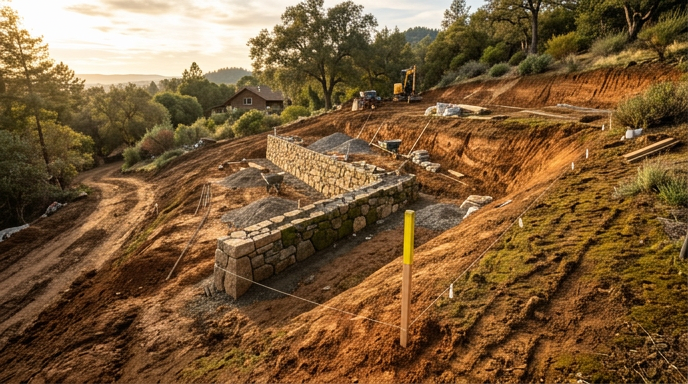
Replacement may be the sounder choice when movement affects much of the wall. A failed base is another strong sign that repair may not be enough. The same is true when the original structure can no longer carry the load safely. A rebuild should correct drainage and foundation conditions instead of copying a failed installation.
Plan Retaining Wall Repairs Before the Rainy Season
Fall is a good time to address retaining wall concerns before Sonoma County's rainy season puts more water pressure on the site. Our team at Canepa Landscaping starts with the wall, then looks at how water moves across the property. We also consider soil movement and nearby hardscape before recommending a repair or replacement. That helps make sure the plan addresses the cause of the problem, not just the visible damage.
If your wall is leaning or bulging, don't wait for the rainy season to see whether it gets worse. Cracks that are growing or water collecting nearby are also good reasons to schedule a professional site review. Request a quote from Canepa Landscaping for a practical repair plan.
Share on Social
Other Posts You Might Enjoy