Does Landscaping Increase Home Value in Sonoma County?
Does Landscaping Increase Home Value in Sonoma County?
Not all landscaping pays back the same way. While basic lawn care shows the highest percentage ROI on paper, structural work like patios, grading, retaining walls, and drainage protects Sonoma County home value in ways cosmetic upgrades cannot, because it solves the problems buyers and inspectors actually notice.
Key Takeaways
- NAR data shows lawn care at 217% ROI, landscape lighting at 59%, and pools at 56%, but percentage return and dollar value aren't the same thing
- Buyers and inspectors watch for erosion, standing water, and unstable slopes, issues that professionally built retaining walls and grading directly address
- Cosmetic upgrades can be discounted by buyers if drainage or structural problems are still visible
- Phasing a renovation, drainage and grading first, then hardscape, then planting, protects the highest-value work from getting cut
- A hardscape investment holds value best when it solves a real property problem while adding usable space
Homeowners often ask whether a landscape renovation is worth the cost. The answer depends on what the project adds to the property. A clean, attractive yard can improve a buyer's first impression, but long-term value often comes from work that also makes the property safer, easier to use, and less likely to develop expensive problems.
What Does Landscape ROI Really Mean for Homeowners?
Landscape return on investment, or ROI, describes how much of a project's cost may come back through a higher home value. For example, if a project costs $10,000 and adds an estimated $8,000 to the resale price, the cost recovery is 80%.
The strongest landscaping projects often provide both benefits. They improve life in the home now while making the property more useful and appealing to a future buyer.
That's why professional landscape construction is different from a quick cosmetic update. It considers the condition of the site, how people will move through the yard, where water will go, and how each part of the design will hold up over time.
Which Landscaping Projects Tend to Increase Home Value?
The National Association of Realtors Remodeling Impact Report shows that basic lawn care can offer strong cost recovery because it improves appearance without requiring a major investment. The report estimates a 217% ROI for standard lawn care. By comparison, landscape lighting has an estimated 59% cost recovery, while an in-ground pool has an estimated 56%.
These figures don't mean every homeowner should focus only on lawn care. A lower-cost service can produce a high percentage return because the original investment is small. A large construction project may recover a smaller percentage while still adding more usable space and solving important problems.
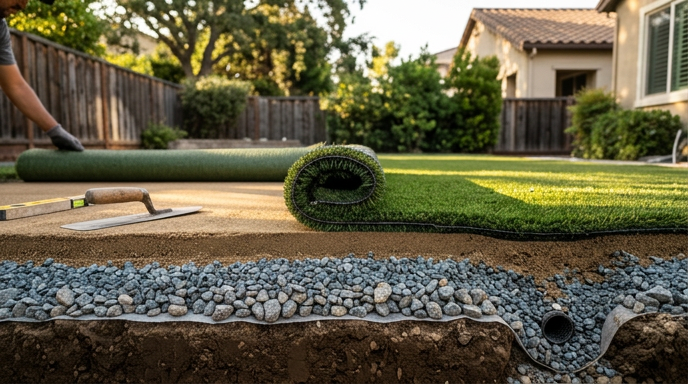
For Sonoma County properties, work that improves both appearance and function may carry more practical value. A well-built patio, stable walkway, effective drainage system, or finished outdoor living area can make the yard easier to understand, maintain, and enjoy.
Why Does Structural Landscape Work Matter to Buyers?
Buyers notice healthy plants and an attractive lawn, but they may also look for signs of larger property problems. Inspectors and experienced buyers often pay attention to erosion, standing water, unstable slopes, cracked surfaces, and water moving toward the house.
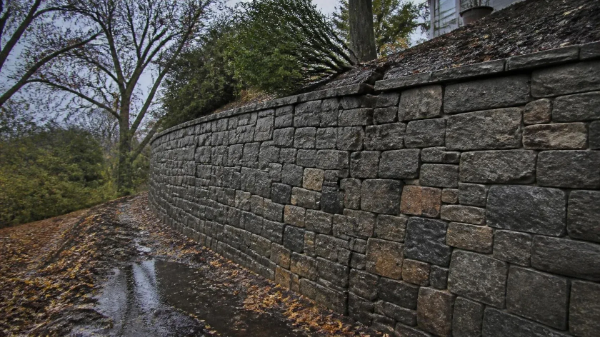
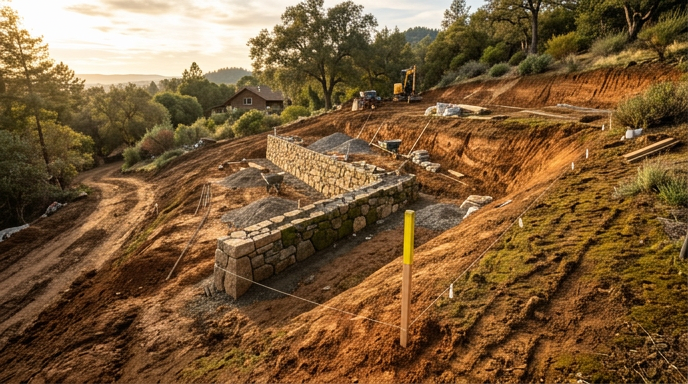
On many Sonoma County properties, professionally completed retaining walls and grading can be more valuable to buyers than a cosmetic update because they address drainage, slope stability, and other problems a buyer might otherwise have to spend money repairing after moving in.
Professional work can also make inspections and future maintenance easier. Clear drainage routes, stable construction, and appropriate materials give buyers more confidence than a project that looks improvised or unfinished.
How Should You Balance Curb Appeal and Long-Term Value?
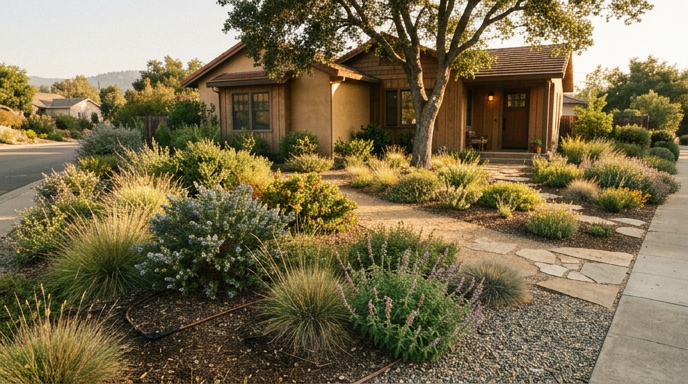
Curb appeal can help a home make a strong first impression, but cosmetic updates don't always provide the best return on investment. New plants, mulch, and lighting may improve appearance, while drainage, grading, safe walkways, and stable retaining walls can protect the property and prevent costly repairs.
When money is limited, address problems that affect safety, access, drainage, or stability before paying for decorative upgrades. Homebuyers may discount a beautiful yard if they also see standing water, uneven surfaces, erosion, or construction that may need to be replaced.
The best landscape investment often combines visible improvements with work that protects the home. For example, a well-built walkway can improve curb appeal while making the property safer, and a properly constructed retaining wall can improve the design while supporting a slope.
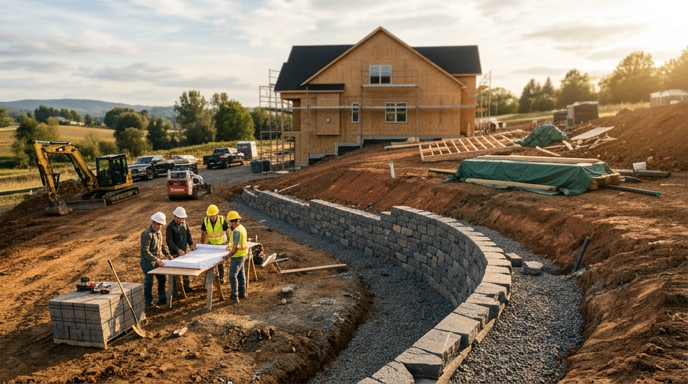
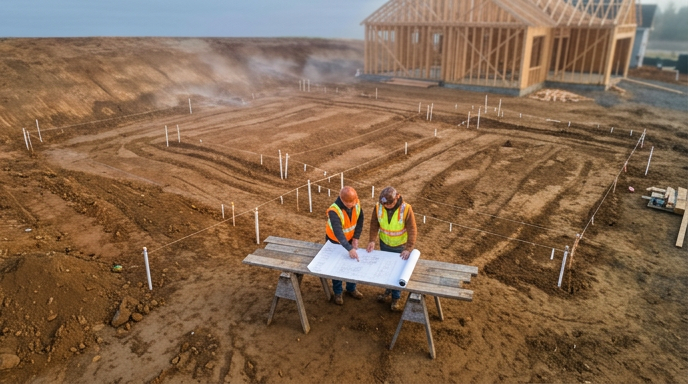
For a larger renovation, budgeting and phasing can help you protect your return without paying for everything at once. Complete drainage and grading first, add patios or retaining walls next, and save planting or lighting for a later phase. This keeps the most important structural work in the budget instead of cutting it to pay for cosmetic features.
When Is a Hardscape Investment Worth It?
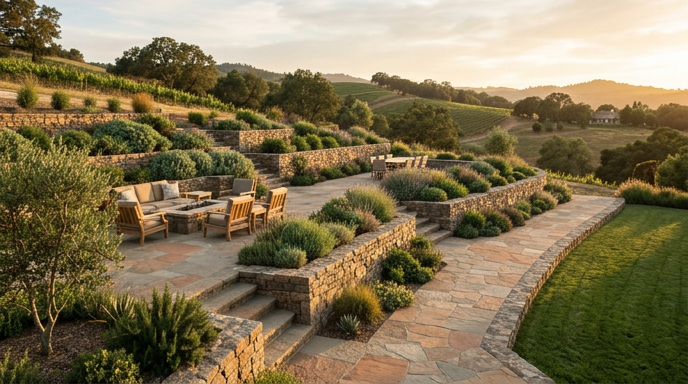
A hardscape investment may be worth the cost when it adds usable space, solves a property problem, or helps protect the home from future damage. Patios, walkways, steps, seating areas, and retaining walls can all improve how the yard works while making the property more appealing to buyers.
The strongest return usually comes from projects that serve more than one purpose. A patio can create space for dining and entertaining. Steps and paths can make a sloped yard safer and easier to use. A retaining wall can create level space while also helping manage soil and drainage.
These improvements may support resale value because buyers can see their practical use and may be less concerned about future repair costs. Professionally built hardscape can also hold its value better than a cosmetic update that needs regular replacement or maintenance.
Before spending money, compare the project cost with the problem it solves and the space it adds. The design should fit the property and account for drainage, access, materials, and long-term upkeep. Reviewing a contractor's project gallery can help you judge whether their work is built to last and matches the level of quality you expect.
How Can Canepa Landscaping Help You Invest Wisely?
Canepa Landscaping helps Sonoma County homeowners plan outdoor spaces that support everyday use and long-term property value. Our team can evaluate how drainage, grading, patios, walkways, retaining walls, and planting areas should work together instead of treating each feature as a separate project.
Whether you're improving a problem area or planning a full backyard renovation, a clear design-build plan can help you spend money where it will make the greatest difference.
Request a landscaping quote from Canepa Landscaping and start planning an outdoor investment that fits your property, priorities, and budget.
Share on Social
Other Posts You Might Enjoy