Why General Contractors Bring Landscape Contractors In Site Planning Early
Why GCs Bring Landscape Contractors In Site Planning Early
Bringing a landscape contractor into site planning before the structure is finished lets grading, drainage, access, and hardscape decisions get made while the site is still flexible, instead of forcing the exterior work around choices that are already locked in. This early coordination catches drainage conflicts, avoids costly grading rework and change orders, and keeps retaining wall permits moving in parallel with the build. A design-build landscape partner gives GCs one accountable scope for both planning and field work.
Key Takeaways
- Loop in the landscape sub during site and grading planning, not after the structure is finished, so drainage and access decisions stay flexible
- Review drainage paths (catch basins, swales, slopes) early to catch ponding or runoff conflicts before they become expensive to fix
- Coordinate walls, drainage, and hardscape elevations with the builder, architect, and civil engineer before the schedule gets boxed in
- Start permit and engineering review for retaining walls and grading early so landscaping doesn't stall the job near completion
- Work with a design-build landscape contractor so planning and field execution stay under one accountable scope
Why Builders Are Bringing Landscape Contractors In Before the Structure Is Finished
New construction landscaping can affect a build long before the final planting phase. This article covers why builders and general contractors may bring landscape contractors into site planning earlier.
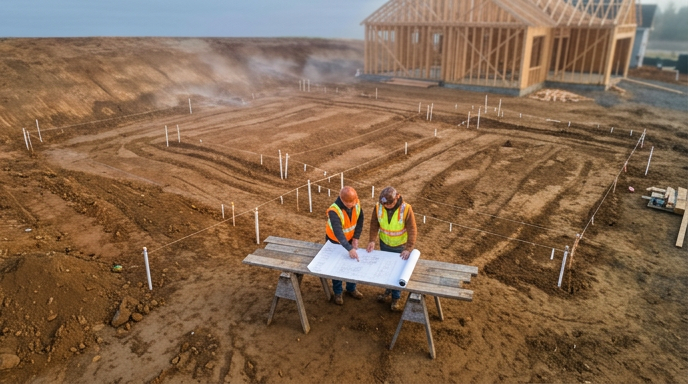
If you're managing a new home build, treating landscaping as the final layer can create problems. By the time the house is up and the major trades are finished, your landscape contractor may be working around decisions that are already locked in. Bringing the landscape sub in earlier lets your team plan how the exterior should function while key site decisions are still flexible. That includes drainage, access, walls, and the way outdoor areas connect to the home. That early input can help the exterior work support the home instead of forcing your team to patch around avoidable site issues.
Why Should Builders Involve a Landscape Contractor Early?
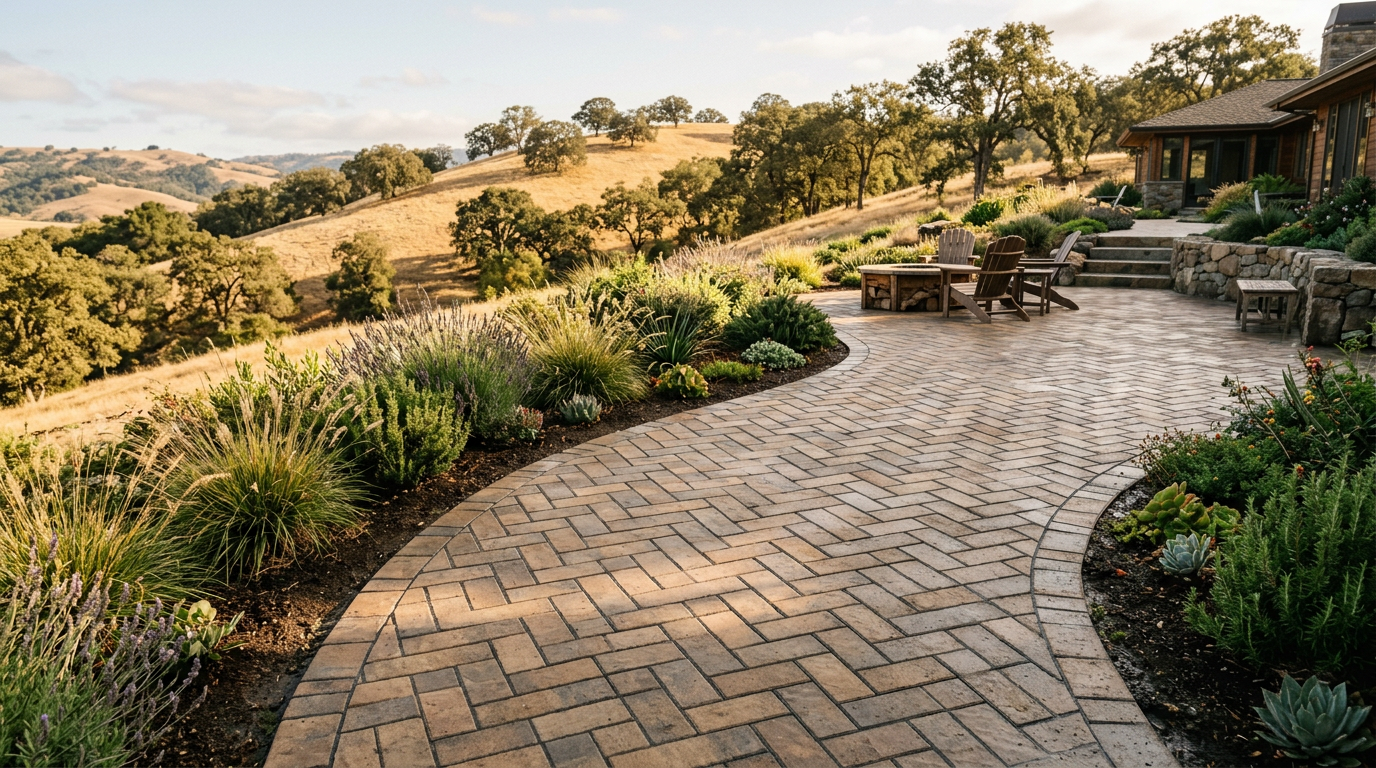
When you're planning new construction landscaping, you're not just thinking about plants and finish work. The scope often reaches into site function, not just finish details. It may include grading and drainage, retaining walls, hardscape, irrigation, and outdoor living areas. Those items depend on site conditions that are already being shaped during the early build. When the landscape sub understands those conditions early, the exterior plan can support the construction schedule instead of trailing behind it.
If you bring the landscape contractor in after the structure is finished, you may discover that water is being directed toward the wrong area, slopes are too steep, or equipment access has been blocked. At that point, the fix can affect your budget and schedule.
Getting the landscape team involved early lets them align the exterior plan with the build before landscape construction becomes a last-minute scramble. It also gives the builder a chance to confirm equipment access, finished grades, drainage routes, and owner expectations while changes are still easier to make.
How Does Early Site Planning Reduce Drainage Problems?
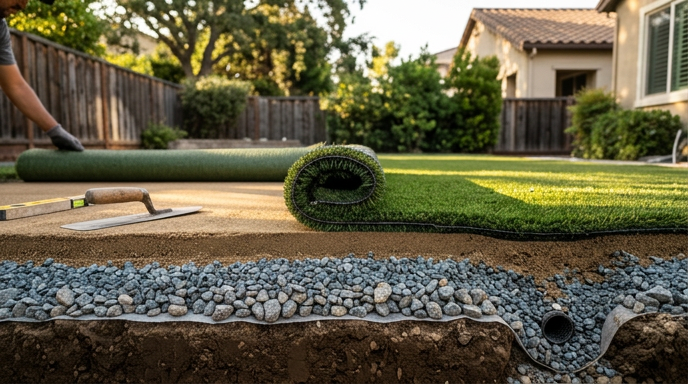
Planning drainage is one of the biggest reasons to bring in a landscape sub early. Water needs a planned path away from the home, hardscape, retaining walls, and neighboring properties. If that path isn't considered during grading, the project may face ponding, erosion, or runoff conflicts later.
Bringing in a landscape contractor gives your team a chance to review the drainage path before it becomes expensive to change. That review can include slopes, catch basins, surface drains, swales, and downspout discharge points. They can also flag areas where the design looks fine on paper but may not work well once the site is built.
If you're the builder, catching this early matters because drainage problems rarely stay isolated. They can affect inspections, warranty concerns, client satisfaction, and the reputation of the entire project team. Solving these questions during site planning is usually easier than explaining later why finished exterior work needs to be changed.
What Schedule Problems Can Early Contractor Involvement Prevent?
When you wait on landscape planning, conflicts with other trades can show up later. A wall may need engineering. A drainage plan may need adjustment. Hardscape elevations may not match thresholds or finished grades. When these details show up late, your team may need to pause, redesign, or rework completed site work.
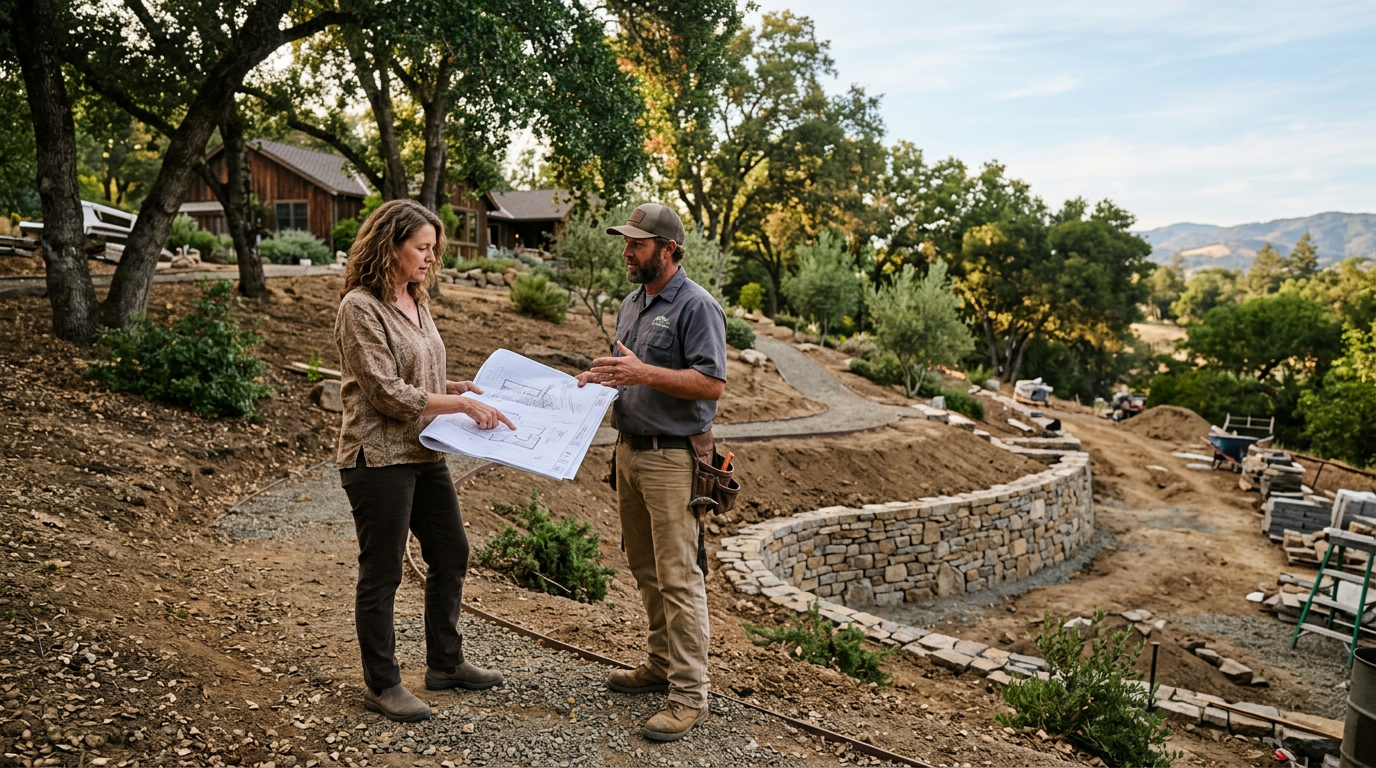
Using early contractor involvement helps prevent those delays by identifying questions while the project still has flexibility. The landscape sub can coordinate with the builder, architect, civil engineer, and concrete team before work is boxed in.
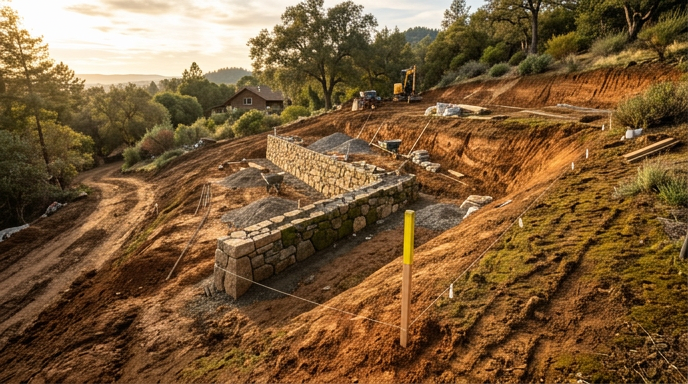
On sloped lots, early contractor involvement is especially useful because retaining walls, grading, and drainage can drive much of the exterior schedule. If those items aren't coordinated early, the project may need extra site visits, revised plans, or field changes that slow other trades.
Why Do Permits and Retaining Walls Need Earlier Attention?
Starting exterior planning early helps your team identify permit and engineering questions before they slow the schedule. It can also surface inspection needs or local review requirements. Retaining walls, drainage changes, and major grading work can create questions that take time to resolve. If those questions are left until the end, the landscape phase can stall even though the home itself is nearly done.
Planning early lets your team identify which items may need review and start that process while the structure is still moving forward. That way, permitting doesn't become the surprise bottleneck at the end of the job.
Understanding Sonoma County permits early also helps builders set more accurate expectations with owners. When the owner knows which retaining wall, drainage, or grading items may need review, the landscape phase feels planned instead of surprising.
How Does a Design-Build Landscape Sub Simplify Coordination?
Working with a design-build landscape contractor can connect planning and field work in one scope. Instead of splitting the exterior scope across multiple crews, one accountable team can help shape the plan and then build it. That can keep grading, drainage, retaining walls, and hardscape connected from the start. That matters when a field condition affects both design intent and practical installation, because the same team can help solve the problem without sending the GC back through several disconnected trades.
Reducing handoff problems matters when exterior work affects both site drainage and finished hardscape. The team that sees the slope conflict during planning is also the team thinking about how to solve it in the field. Builders get clearer communication, fewer scope gaps, and a partner who understands how exterior work affects the finished home.
Canepa's licensed team brings that kind of coordination to new construction projects throughout Sonoma County. Having one landscape partner involved early can make conversations about grading, drainage, hardscape, and buildability much easier for the GC to manage.
Plan New Construction Landscaping Earlier With Canepa Landscaping
If you're coordinating a new home build, Canepa Landscaping can help you plan new construction landscaping while site decisions are still flexible. Our team can discuss grading and drainage alongside retaining walls and hardscape, so the GC can keep exterior work aligned with the schedule.
If your next project needs one accountable landscape scope, contact Canepa Landscaping and request a quote before site planning is locked in.
Share on Social
Other Posts You Might Enjoy