Artificial Turf Cost and ROI in Sonoma County, CA
Artificial Turf Cost and ROI in Sonoma County, CA
Artificial turf can cut watering and maintenance needs, but the real payoff depends on installation quality, drainage prep, and knowing what your HOA can and cannot restrict. Sonoma County homeowners weighing turf against a broader drought-tolerant plan should treat it as a construction project, not a product swap.
Key Takeaways
- Professional installation runs $12 to $22 per square foot in Sonoma County, with soil, grading, and drainage work driving the range
- Water savings alone can recover the cost in four to seven years, depending on lawn size and local rates
- California Civil Code Section 4735 and AB 2100 limit HOA bans on turf, but HOAs can still set reasonable design and installation rules
- A firm, properly graded base determines whether turf drains correctly and holds up, not just the turf product itself
- Turf works best as one piece of a larger drought strategy, paired with native plants, mulch, or hardscape where it makes sense
Artificial turf promises a lawn that stays green without constant watering, mowing, or struggling through dry weather. However, it's not the right solution for every yard. Sonoma County homeowners should consider the cost of installing artificial grass, possible long-term savings, HOA rules, drainage needs, and how the turf will fit with the rest of their landscape design.
How Much Does Artificial Turf Cost in Sonoma County?
Professional artificial turf installation in California often costs about $12 to $32 per square foot. The final price depends on the type of turf you choose and the amount of preparation the yard needs. Difficult access, poor soil, grading work, drainage improvements, and removal of the old lawn can all raise the cost.
Even a small lawn can require a significant investment, while a large yard may become a major landscaping project. When comparing quotes, look beyond the price of the turf itself. Proper base preparation and skilled installation help the surface drain correctly, stay level, and hold up over time. Edging and finishing work also affect how natural the completed lawn looks.
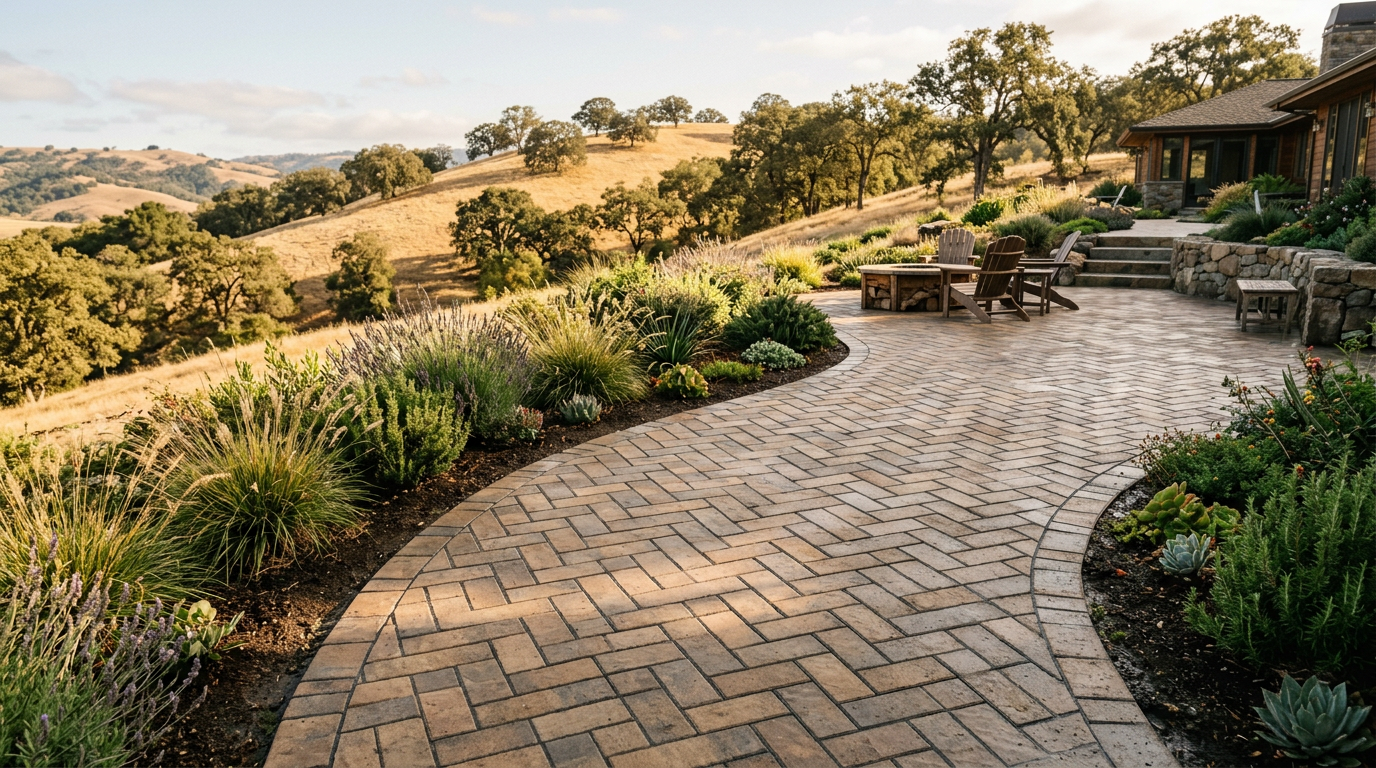
It also helps to compare artificial turf with a larger drought-tolerant landscape plan. Turf can reduce mowing and regular watering, but it doesn't provide the shade or habitat that plants can offer. A design that combines artificial grass with native plants, trees, or mulched areas may create more visual interest while still lowering outdoor water use.
What ROI Can Artificial Turf Provide Over Time?
The return on investment, or ROI, from artificial turf usually comes from lower water bills and fewer lawn care costs. Homeowners may also spend less on mowing, fertilizer, reseeding, and repairs.
Some California homeowners may recover the cost of artificial grass in about four to seven years through water savings alone. However, the timeline depends on the size of the lawn, local water rates, sun exposure, and how much water the old grass needed.
Artificial turf may pay for itself faster when it replaces a lawn that uses a lot of water or needs frequent maintenance. If your current grass already uses little water and doesn't need much care, it may take longer to recover the installation cost.
Installation quality also affects the value of the project. Artificial grass that drains poorly, wrinkles, shifts, or develops odors may require repairs and reduce your savings. A properly prepared base and drainage system can help the turf stay level, drain well, and last longer.
What Can a Sonoma County HOA Require for Artificial Turf?
California Civil Code Section 4735 limits an HOA's ability to ban low-water landscaping or artificial turf that looks like grass. In most cases, an HOA cannot reject artificial grass simply because it prefers natural lawns.
However, homeowners may still need approval before installation. An HOA can set reasonable rules about how the finished project looks and works. For example, it may review the turf color, blade height, drainage plan, edging, and installation method.
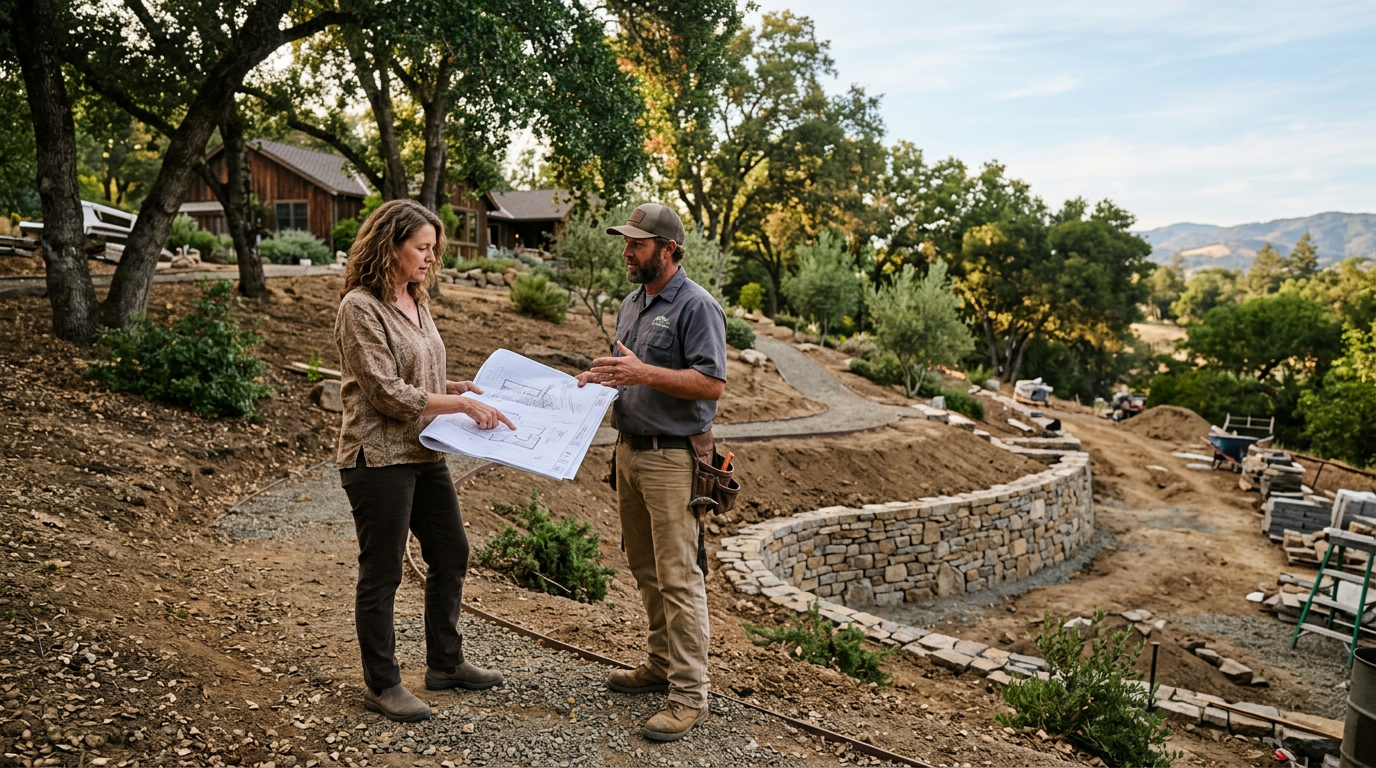
Read your HOA's landscaping rules before starting the project, and submit any required plans or product information. Clear drawings and installation details can make the review process easier.
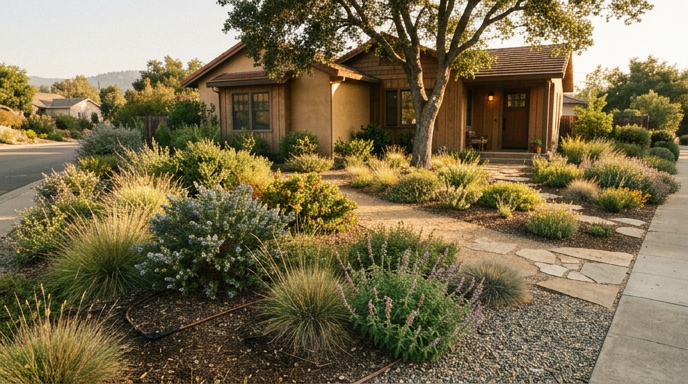
You may also want to compare artificial turf with a drought-tolerant lawn conversion that uses native plants, mulch, or other low-water materials. This type of landscape design can reduce water use while adding shade, texture, and habitat to the yard.
Why Do Base Prep and Drainage Matter So Much With Artificial Turf?
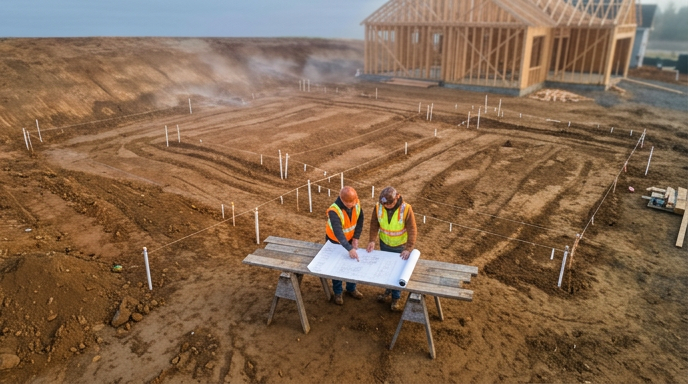
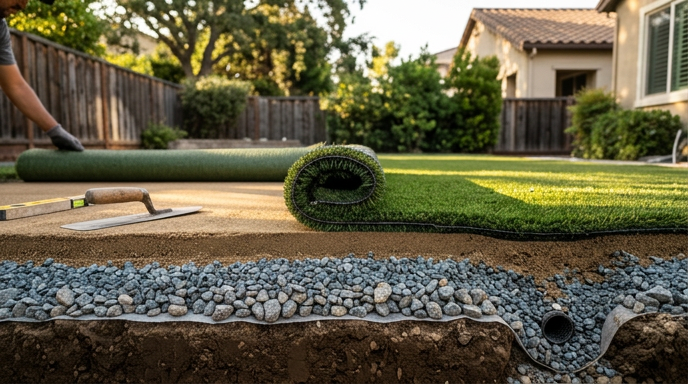
Artificial turf may look like a simple surface upgrade, but much of the work happens underneath it. The yard needs a firm, compacted base that supports the turf and helps water drain in the right direction. If this foundation isn't prepared correctly, problems may appear later.
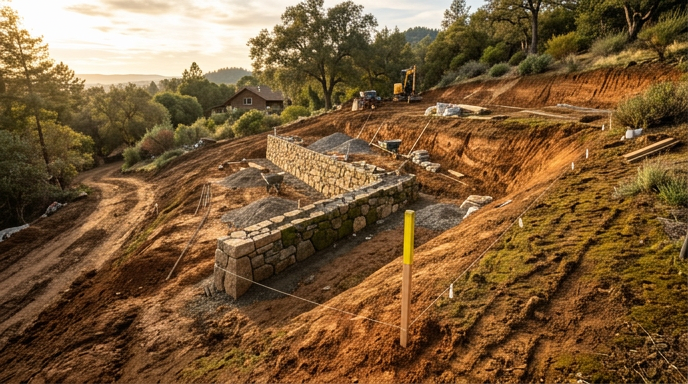
Poor drainage can cause puddles, odors, soft areas, and unwanted runoff. Incorrect grading may direct water toward patios, walkways, or the home's foundation. An uneven base can also make the turf look wavy instead of smooth and natural.
That's why artificial turf should be treated as a landscape construction project, not simply as a product being installed. Professional landscape contractors will consider how the turf will work with the yard's drainage, slope, borders, walkways, planting areas, and irrigation system.
When Is Xeriscape Better Than Artificial Turf?
Artificial turf may be a good choice when you want a durable green area for children, pets, or outdoor activities. It can also create the look of a lawn without regular mowing and watering.
Xeriscape, a type of landscaping designed to use little water, may be a better fit when you want a more varied landscape with drought-tolerant plants, mulch, stone, paths, and different colors and textures.
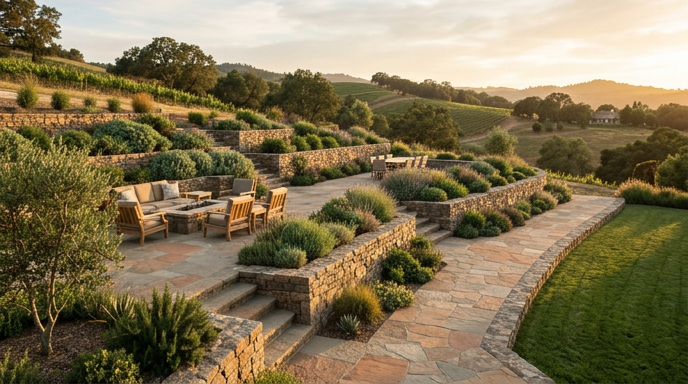
Some yards work well with a combination of both options. Artificial turf can create a small, usable lawn area, while drought-tolerant plants and hardscape cover the rest of the yard. Hardscape includes non-plant features such as patios, walkways, gravel, and stone. This approach can lower water use while giving the yard a more natural and balanced appearance.
Your budget may also affect the design. If you need to complete the yard renovation in stages, financing options may make it easier to plan the full project without removing important work such as drainage and grading.
How Can Canepa Landscaping Build the Right Drought Strategy?
Canepa Landscaping helps Sonoma County homeowners choose between artificial turf, xeriscape, hardscape, and blended drought-conscious designs. Our team can plan grading, drainage, materials, and HOA-ready details so your finished yard works as well as it looks.
Request a landscaping quote from Canepa Landscaping and build a low-water yard that's designed correctly from the ground up.
Share on Social
Other Posts You Might Enjoy