Landscape Subcontractor Qualifications General Contractors Should Vet
Landscape Subcontractor Qualifications GCs Should Vet
Vetting a landscape subcontractor for new home construction goes well beyond price. General contractors need to confirm active licensing, insurance, and bonding, verify the sub's scope matches the actual site work required, and evaluate real grading and drainage competency before handing off exterior work. A subcontractor who can't speak specifically to runoff, slope transitions, and permit requirements creates liability and inspection delays that land back on the GC. Clear scope language and comparable project history separate a reliable exterior partner from a costly liability.
Key Takeaways
- Confirm active CA contractor license, current insurance, and bonding before work starts, not after the bid looks good
- Match the sub's experience to the actual scope: structural and site work requires more than finish-landscaping experience
- Ask specific questions about runoff, slope transitions, and retaining wall drainage; vague answers signal an unqualified sub
- Request comparable project history and talk to references about schedule, communication, and change orders
- Put scope, grading responsibility, and inspection coordination in writing to prevent disputes and delays
What General Contractors Should Look for in a Landscape Subcontractor
Choosing a landscape subcontractor is about more than finding someone cheap who is available for the job.
If you're hiring a landscape subcontractor, the right partner can make a new home feel complete, while the wrong sub can create problems long before planting begins.
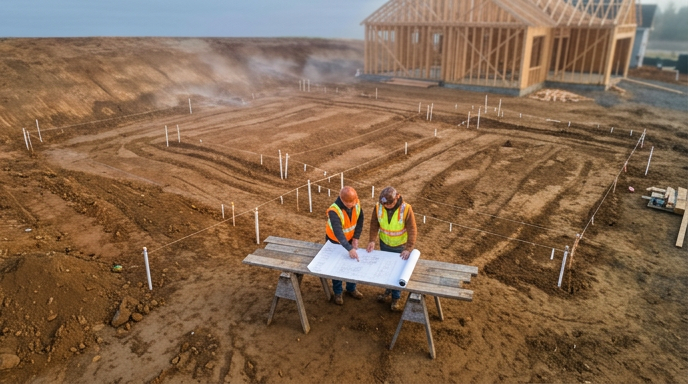
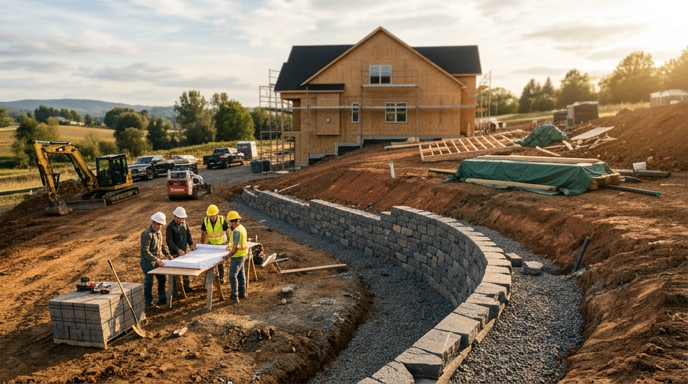
Managing exterior site work can affect inspections, schedule, and liability. That's especially true when the scope includes grading, drainage, retaining walls, hardscape, and site access.
For general contractors, vetting a landscape sub is about choosing a partner who can support your build from the outside in and communicate clearly when exterior work affects other trades.
Which Landscape Subcontractor Qualifications Are Non-Negotiable?
When reviewing landscape subcontractor qualifications, start with the basics that protect the project before anyone sets foot on site. Confirming an active California contractor license for the work being performed should be one of the first steps. Current insurance and any required bonding should be checked before work starts, not assumed because the bid looks professional.
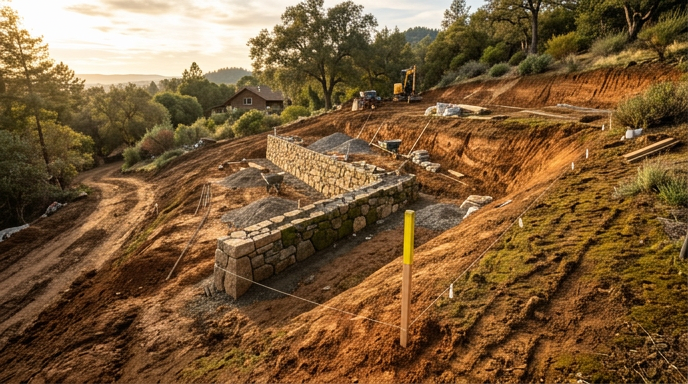
Confirming that the sub's scope matches the actual work is just as important. Planting and irrigation are different from structural or site work. Retaining walls, drainage, grading, concrete, and hardscape require a different level of construction experience. If the project requires structural or site work, the subcontractor needs experience beyond finish landscaping.
When you're hiring for landscape construction, the team should be able to explain how their work fits the larger construction schedule. They should also be clear about access needs and the work that has to happen before hardscape. Just as important, their scope should avoid blocking other crews.
Why Do Insurance and Bonding Matter for Landscape Site Work?
When you check insurance and bonding up front, you help protect the GC, owner, and project when something goes wrong. Site work can involve heavy equipment and difficult slopes. It may also affect drainage, walls, utilities, concrete, and access routes. If a subcontractor lacks proper coverage, the risk can land back on the general contractor.
Asking for current certificates and confirming the coverage dates should happen before the crew arrives. If workers will be on site, workers' compensation should also be addressed. These checks may feel routine, but doing them early can prevent avoidable exposure.
A reliable subcontractor won't be offended by this process. They expect it and can provide documentation quickly. Delays, vague answers, or outdated certificates can be a sign that the sub may not be ready for the level of accountability a new home construction project requires.
How Should GCs Evaluate Grading and Drainage Competency?
When you're responsible for grading and drainage, landscape work can quickly become a construction risk. Water has to move away from structures, hardscape, walls, and neighboring properties. Finished elevations need to work with doors, driveways, patios, and utility areas.
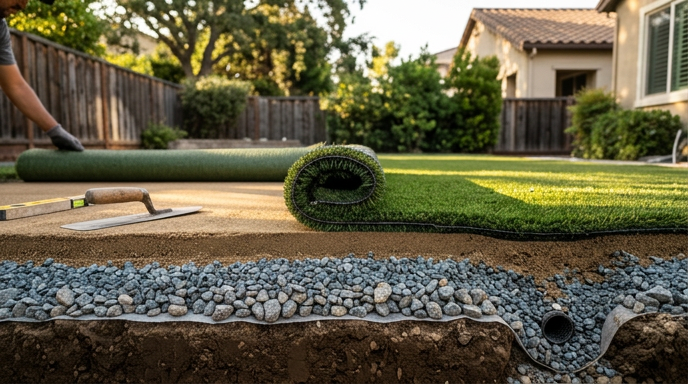
Asking the landscape sub how they approach runoff can reveal how they think through site work. You can also ask about slope transitions, retaining wall drainage, and coordination with civil plans. A good answer should be specific to the site, not a generic promise that they'll figure it out later. The sub should be able to explain how their work will protect finished grades, nearby structures, and the trades coming after them.
Sonoma County projects can also involve permit questions, so it helps when a sub understands which landscape permits may need attention before work begins.
What Project History Should Builders Ask to See?
When you're checking project history, comparable experience matters. A subcontractor who mostly handles small maintenance jobs may not be the right fit for a custom home site with walls, hardscape, and drainage complexity. Ask for projects with a similar size and terrain. The scope should also look close enough to your project to be useful. If the job includes sloped areas, retaining walls, drainage systems, or tight access, the examples should show that the sub has handled those conditions before.
Looking at photos can help, but talking with references is better. Ask past builders whether the sub stayed on schedule and communicated clearly. Then ask how they solved site issues and whether they left clean work for the next trade. Also ask whether change orders were handled clearly and documented well.
Homeowners also need to know how to hire the right contractor, but GCs should hold an even higher standard because one weak trade can affect the whole job. For a builder, the right landscape subcontractor is not just a vendor. They're part of the schedule, site safety, quality control, and owner experience.
Why Is Scope Clarity So Important Before Work Starts?
Working from a clear landscape scope helps your team avoid confusion, delays, and disputes. Your bid should spell out the following:
- What work is included
- What work is excluded
- Who is responsible for grading
- Who provides and installs drainage materials
- Who builds or installs walls
- Who coordinates inspections
- How changes to the scope will be approved
When these responsibilities aren't clear from the start, problems often surface at the worst possible time.
Clarifying scope also protects sequencing. The GC needs to know when the landscape sub needs access and what equipment will be on site. The scope should also identify which areas must stay open and which trades need to coordinate with exterior work. Getting those details in writing helps the builder manage expectations with the owner and reduce finger-pointing if site conditions change.
A broad menu of landscaping services can be helpful, but only when the sub can define exactly which services belong in the build. Clear scope language helps the GC compare bids fairly and avoid discovering too late that grading, drainage, or wall work was excluded.
Choose Landscape Subcontractor Qualifications With Canepa Landscaping
If you're vetting a landscape subcontractor for a Sonoma County build, Canepa Landscaping can help you compare qualifications, define scope, and coordinate site work. Our team can support one connected exterior scope instead of treating each sitework item separately.
Canepa Landscaping can provide grading, drainage, retaining walls, hardscape, and landscape construction as part of one coordinated exterior scope. This gives general contractors one partner for the work that affects how the finished property looks, drains, and functions.
If you're vetting a sub for new home construction, contact Canepa Landscaping to request a quote and talk through the exterior scope for your next build.
Share on Social
Other Posts You Might Enjoy