Homeowners Guide to Reclaimed Water Irrigation
Windsor Homeowners Guide for Using Reclaimed Water Irrigation
Windsor California is excited to be at the forefront of sustainable living and responsible resource management. Windsor one of the leading communities in the United States when it comes to recycled water for irrigation of farmland, recreation, schools, and residential lawns. The city's efforts save millions of gallons of water every year. Read on to learn more about the basic principles of using reclaimed water.
Is Reclaimed Water Safe?
Reclaimed water is safe for most purposes, with a few exceptions. It is not intended for human consumption, and you should not use it to fill swimming pools or spas. Recycled water in Windsor receives advanced water treatment at the highest level in the state. The result is water that's suitable for almost all nonconsumption reclaimed water applications. The water goes through rigorous daily testing and monitoring to ensure the ongoing safe use of recycled water. All of these steps lead to water that you can feel good about using around your home. Here are a few of the places you'll see reclaimed water in action around Windsor.
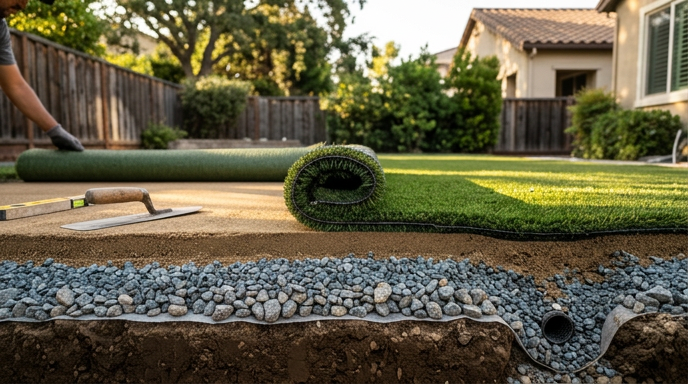
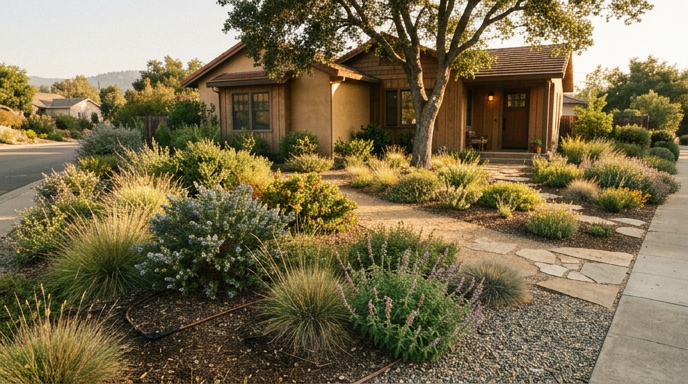
- Recycled water irrigates the front and some back yards of homes in Windsor. While it's a requirement to water the front lawn with recycled water, homeowners may choose to irrigate the back yard with it as well.
- Sports fields can be safely irrigated with reclaimed water, keeping them green when other areas are brown. You can see this in action on the Town Green, Windsor Golf Course, and Wilson Ranch Soccer Park.
- School grounds, such as those at Windsor High, can be irrigated safely with reclaimed water thanks to the high level of treatment and disinfectants. Schools can also save millions of gallons of water each year by using reclaimed water in the toilets.
- Agricultural land in the Windsor area is home to vineyards and pastures safely and effectively irrigated with reclaimed water.
What Should Homeowners Know About Using Reclaimed Water?
One of the most significant advantages of using reclaimed water in the Windsor area is avoiding water shortages. Neighborhoods, like Vintage Greens, that rely on recycled water usually don't have to let their grass go brown to make sure they have enough for residents' drinking and bathing. They could be exempt from the government restrictions found in many other areas. To make the most out of this innovative system of irrigation, homeowners should follow these simple tips:
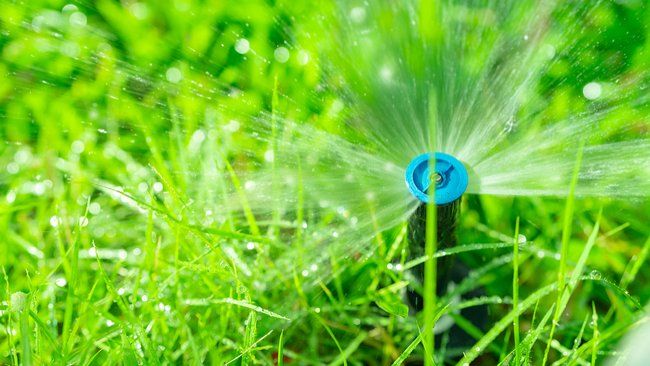
- Always maintain your sprinkles and check them for proper operation at least once per month during the watering season. Set your sprinkler timer to run between 1:00 and 6:00 in the mornings. Watering in short cycles gives the soil time to soak up the water and minimizes runoff. Remember that allowing water to run onto the sidewalk or into the street is prohibited.
- Aerating and dethatching your lawn at least once per year helps keep it healthy and enables the soil to soak up the water during irrigation more efficiently.
- Reclaimed water can damage some trees, so avoid watering within 3 feet of the drip line of any native oak tree. The drip line is the distance from the tree trunk to the canopy.
- Use purple pipe when you need to make repairs or additions to your irrigation system. Purple pipe indicates reclaimed water and helps to make sure that the recycled water pipes never get connected to your drinking water supply.
- During periods of rain, turn your irrigation timer off or at least set it to rain mode. It's best practice to turn sprinkler times off entirely in the rainy season.
- Always wash your hands with soap and water after working with recycled water, and avoid getting it in your face or mouth.
- Be aware that recycled water may leave spots on paint, glass, or chrome, so avoid using recycled water to wash your car, your windows, or other painted surfaces. Be sure to aim sprinklers away from these surfaces as well.
Where Can I Learn More?
If you'd like to learn more about how you can maximize the reclaimed water system in your lawn, contact Canepa Landscaping. We offer free consultations, and we'd love to talk with you about how we can help you make the most of the innovative system Windsor makes available to your home. Contact us today, and let's get started!
Share on Social
Other Posts You Might Enjoy