The Future of Gardening: 5 Trends Transforming Sonoma County in 2025
Sonoma County Gardening in 2025: Trends You Need to Know
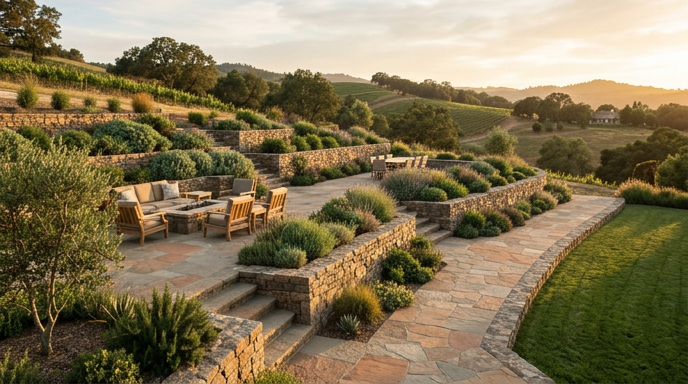
Gardening in Sonoma County is changing as people focus more on taking care of the environment, saving water, and using new ideas to grow plants. Because the region has a warm, dry climate and a strong history of farming, more gardeners are choosing methods that help the land, support local wildlife, and make better use of natural resources. Whether you love gardening, work in landscaping, or just want to make your yard look better, here are five gardening trends that will be popular in 2025.
Drought-Tolerant Landscaping
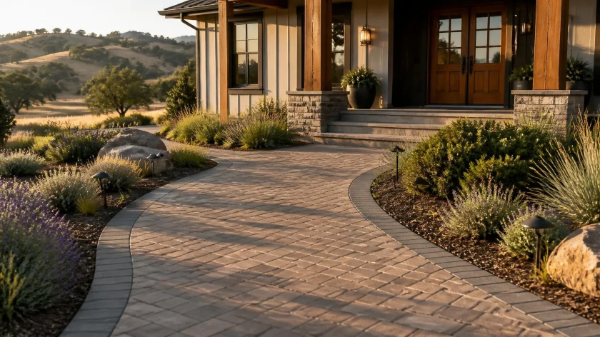
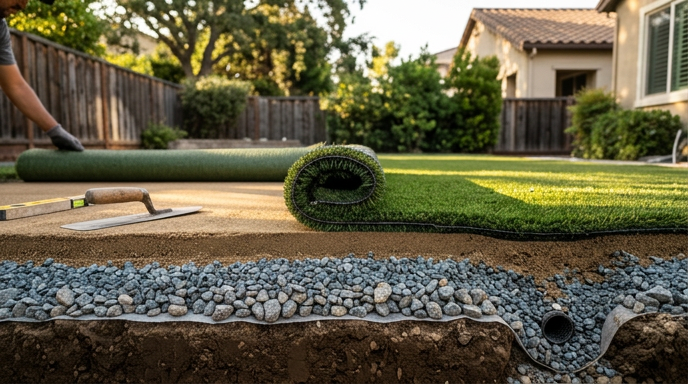
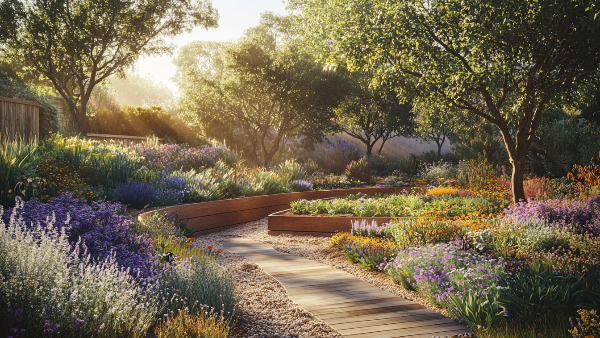
Because of frequent droughts, more people are choosing plants that need less water. Gardeners are using native plants like manzanita, ceanothus, and purple sage, which can survive with little watering while also attracting bees and butterflies. Many are also using xeriscaping, a technique that cuts down on water use but still keeps gardens looking green and healthy. To help with water drainage, some are replacing traditional pavement with materials like decomposed granite and gravel, which allow rainwater to soak into the ground instead of running off.
Edible Gardens and Food Security
Many people in enjoy growing their own food, and this trend is becoming even more popular. With a strong focus on sustainability, gardeners are using compost and cover crops to make soil healthier. More people are planting vegetables that grow back each year, like artichokes, asparagus, and tree collards, so they don’t have to replant as often. At the same time, gardeners are adding flowers and herbs to attract bees and butterflies, which help plants grow by spreading pollen. Whether someone has a large backyard or just a few pots on a balcony, growing food at home is a great way to eat fresh and rely less on stores.
Wildlife-Friendly Gardens
Gardeners are turning their yards into safe places for birds, butterflies, and helpful insects. Since wildlife habitats are disappearing, creating a space for animals is more important than ever. Some people are planting native plants that give food and shelter to local wildlife, while others are adding small ponds or birdbaths to attract different species. Avoiding pesticides also helps beneficial insects, like ladybugs and praying mantises, which keep harmful bugs under control. By designing gardens that welcome wildlife, Sonoma County residents are helping the environment while making their outdoor spaces more lively and beautiful.
Smart Gardening with Technology
New technology is making gardening easier and more efficient. Smart irrigation systems help save water by giving each plant just the right amount it needs. Soil moisture sensors tell gardeners when to water so they don’t overdo it or let plants dry out. Many people are also using gardening apps that send reminders about watering, plant care, and pest control. With these new tools, gardeners can take better care of their plants while using fewer resources.
Regenerative Landscaping Practices
Beyond just saving water, regenerative gardening is all about improving the soil and making landscapes healthier over time. Many gardeners are using mulch and compost to keep soil rich in nutrients while holding in moisture. Some are trying hügelkultur, a method that involves using rotting wood to help the soil stay strong and full of nutrients. Others are mixing different types of plants together, similar to how they grow in nature, to avoid using too many fertilizers and pesticides. These eco-friendly practices help plants grow stronger and make the land healthier for the future.
Bring These Gardening Trends to Life
If you want to save water, grow your own food, or make your yard a better place for wildlife, these 2025 gardening trends can help you get started. Even small changes can make a big difference, so whether you’re adding drought-friendly plants, using smart technology, or planting food in your backyard, your efforts will help make Sonoma County greener. Looking to transform your yard with the latest gardening trends? Our expert landscaping team is here to help! Whether you need a full redesign, drought-friendly solutions, or expert advice, we’ll bring your vision to life. Contact us today to get started!
Share on Social
Other Posts You Might Enjoy