Maximizing Small Yards with Multi-Level Retaining Walls
Space-Saving Landscaping: Tiered Retaining Wall Designs
Small yards often come with big challenges: slopes that erode, awkward corners that are hard to use, or flat areas that lack definition. Retaining walls help resolve these problems by managing grade changes and stabilizing soil. But in tight spaces, they also become part of the design solution.
By strategically placing retaining walls, you can flatten portions of a sloped yard, create zones for planting or seating, and improve the overall flow of the space. For small yard landscaping solutions, retaining walls are one of the most valuable tools available.
What Is a Multi-Level Retaining Wall Design?
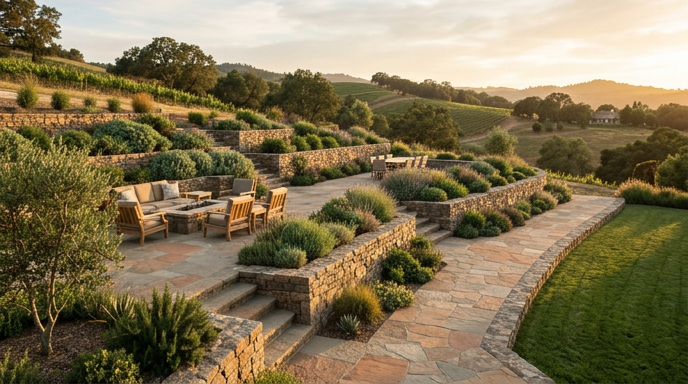
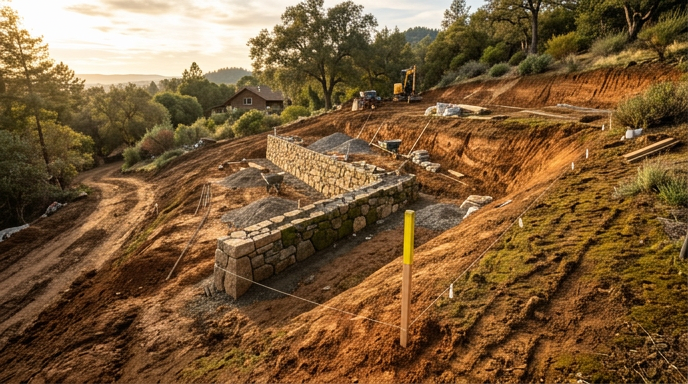
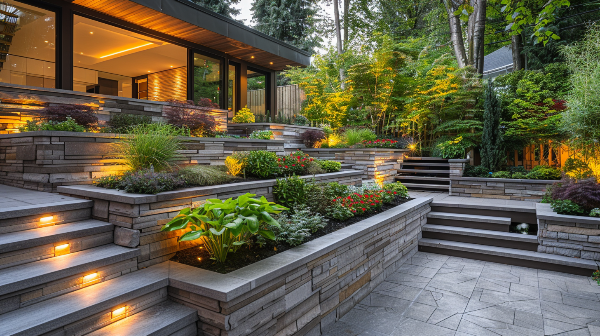
Unlike a single tall wall, a multi-level retaining wall design uses two or more shorter walls built in a stair-step or terraced arrangement. Each wall retains a section of the slope, creating a series of flat spaces instead of one steep grade.
This approach is ideal for smaller yards, especially those with elevation changes. Breaking up the height into several tiers not only looks more natural but also makes it easier to plant and maintain greenery. The lower wall heights also reduce the structural load, simplifying engineering and drainage requirements.
Benefits of Multi-Level Retaining Walls in Small Yards
Multi-level retaining walls offer more than visual appeal—they’re a strategic way to unlock space, define areas, and introduce new functions into compact yards. By stacking usable zones and enhancing elevation changes, these walls create depth and purpose in places where flat ground is limited.
Maximizes Usable Space
One of the biggest advantages of multi-level retaining walls is the ability to reclaim unusable land. Sloped areas that would otherwise go untouched can be transformed into flat terraces for raised garden beds, seating areas, or outdoor storage zones.
Enhances Visual Depth and Texture
Flat spaces can look boxy or uninspired, especially in compact yards. Multi-tiered walls add vertical interest and natural flow. By layering different materials or alternating plant types between levels, you create contrast and rhythm in the design.
This not only enhances value and curb appeal but also draws the eye upward, making small spaces feel taller and more spacious. Even when viewed from indoors, the tiered look adds dimension to your yard.
Adds Functionality
Each tier of a multi-level retaining wall can serve a different purpose. One level might support a flower bed, while another offers a low seating ledge. You can build in steps, lighting, or even irrigation to make the space more versatile and accessible.
With a little creativity, retaining walls can become more than structural—they can be the framework for your outdoor living space.
Small Yard Landscaping Solutions with Multi-Level Retaining Walls
This design style shines in tight spaces because it allows for vertical use of the yard. Instead of stretching out, your layout moves upward—giving you more options without needing more land.
You can use tiered walls to:
- Transform sloped corners into blooming gardens
- Stack planters or edible gardens on narrow patios
- Create privacy barriers using raised beds
- Install benches or paths that follow the wall contours
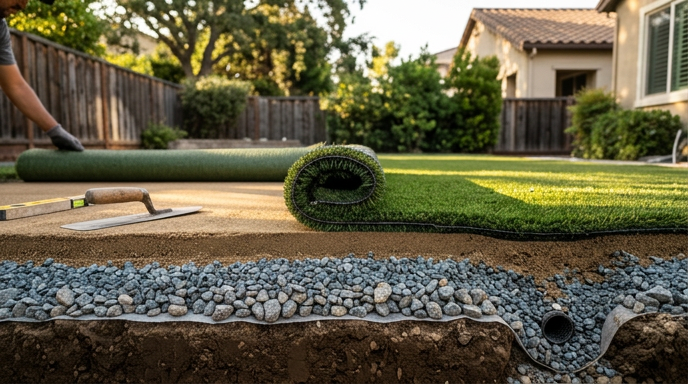
Integrated drainage systems can be built into the walls to prevent pooling or soil erosion—especially useful in compact urban settings.
Best Materials for Multi-Level Retaining Walls
Choosing the right material matters for longevity and appearance. Natural stone is a classic choice, offering a timeless, organic look. Concrete blocks are popular for their clean lines and modular design, making installation easier in tight spaces.
For lower-height walls, treated timber can offer a warm, rustic feel—though it's best for dry climates or lower-stress areas. Regardless of material, proper drainage, a solid base, and adequate spacing between tiers are essential to avoid future structural issues.
Why Work with a Professional for Complex Yard Designs
Small yards require precision. Poorly placed walls or improperly handled drainage can lead to long-term damage. Working with a professional like Canepa Landscaping ensures that the design fits the slope, soil type, and intended use of your space.
We understand how to maximize every inch of a yard—from choosing the right layout to sourcing durable, beautiful materials. Whether you're starting fresh or upgrading an existing landscape, our team can create a design that fits your vision and adds value to your home.
Unlock Your Yard’s Potential with Canepa Landscaping
Multi-level retaining wall design is more than a landscaping trend—it’s a lasting solution for homeowners who want to get more from a small yard. With the right structure and thoughtful planning, even the most compact space can feel expansive and inviting.
If you're looking for smart small yard landscaping solutions, Canepa Landscaping is ready to help. Request a quote today and explore how tiered retaining walls can transform your space from tight to thoughtfully designed.
Share on Social
Other Posts You Might Enjoy